Arachidonic acid (ARA) is a 20-carbon chain fatty acid with four methylene-interrupted cis double bonds, the first with respect to the methyl end (omega, ω or n) is located between carbon 6 and 7. Therefore, arachidonic acid belongs to the omega-6 (n-6) polyunsaturated fatty acids (PUFA).
It is considered an "essential" fatty acid because it is an absolute requirement for the proper functioning for the human body. Arachidonic acid is representing 7% to 10% of total circulating fatty acids; it is the second most abundant omega-6 fatty acid in the human body.
Arachidonic acid is naturally found incorporated in the structural phospholipids in the cell membrane in the body or stored within lipid bodies in immune cells. It is particularly abundant in skeletal muscle, brain, liver, spleen and retina phospholipids.It is synthesized from α-linolenic acid derived from linoleic acid, an essential fatty acid, by the enzyme Δ6-desaturase. Once formed, arachidonic acid can be converted to any of the eicosanoids.
Arachidonic acid is involved in several biological processes, either in health or disease. Arachidonic acid influences cell membrane fluidity and permeability and modulates platelet function and immune system activation; furthermore, it affects glomerular and tubular function, the physiopathology of podocyte, and the process of renal fibrosis.
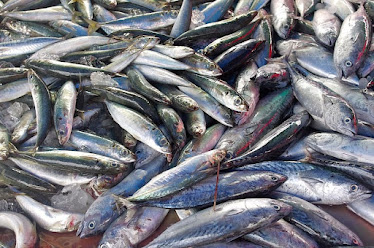
Arachidonic acid is obtained from food such as poultry, animal organs and meat, fish, seafood, and eggs, and is incorporated in phospholipids in the cells’ cytosol, adjacent to the endoplasmic reticulum membrane that is studded with the proteins necessary for phospholipid synthesis and their allocation to the diverse biological membranes.
Arachidonic acid
Nutrition is a scientific discipline that encompasses a structured body of knowledge. It includes various fields such as clinical nutrition, community nutrition, public health, food policy, and food science. At its core, nutrition is the study of how the body utilizes food. It is essential to life. Understanding nutrition enables us to make better dietary choices by determining the necessary nutrient intake, identifying optimal food sources, and recognizing beneficial or harmful food components.
Showing posts with label fatty acid. Show all posts
Wednesday, December 15, 2021
Tuesday, November 23, 2021
Polyunsaturated fat
Fatty acids are considered to be a fundamental building material for the structural components of cells, tissues, and organs as well as for the synthesis of certain biologically active substances. They have action on inflammatory processes, the hepatic lipid metabolism, and adipose tissue.
Unsaturated fatty acids (UFAs) are classified as either monounsaturated fatty acids (MUFAs), because they have only one double bond (e.g., omega-7 and -9 fats), or polyunsaturated fatty acids (PUFAs), since they have more than one double bond in their backbone (e.g., omega-3 and -6 acids).
Monounsaturated and polyunsaturated fats are found in higher proportions in plants and seafood and are usually liquid at room temperature as oils.
Polyunsaturated fat (PUFA) belongs to the class of simple lipids, as they are fatty acids with two or more double bonds in cis configuration.
Two main compound groups can be distinguished among PUFAs: ω-3 and ω-6 families. These fatty acids family are not convertible and have very different biochemical roles.
ω-3 fats can be found in: Fish such as salmon, mackerel, herring, sardines, albacore tuna, and rainbow trout, tofu and other soybean products, walnuts, flaxseed and flaxseed oil, canola oil.
Vegetable oils are the major sources of (α-linolenic acid) LNA. In particular, LNA is found in the chloroplast of green leafy vegetables, such as purslane and spinach, and in seeds of flax, linseed, walnuts and others.
The most important n-6 fatty acid, (Linoleic acid) LA, is found in large amounts in western diets. Once linoleic acid is ingested, it is converted in a few steps into arachidonic acid (AA, 20:4, n-6). The most significant dietary plant sources of ω-6s are corn, soybean, and sunflower oil, as well as nuts, including coconut together with coconut oil, almonds, pine-nuts, and hazelnuts.
Polyunsaturated fat
Unsaturated fatty acids (UFAs) are classified as either monounsaturated fatty acids (MUFAs), because they have only one double bond (e.g., omega-7 and -9 fats), or polyunsaturated fatty acids (PUFAs), since they have more than one double bond in their backbone (e.g., omega-3 and -6 acids).
Monounsaturated and polyunsaturated fats are found in higher proportions in plants and seafood and are usually liquid at room temperature as oils.
Polyunsaturated fat (PUFA) belongs to the class of simple lipids, as they are fatty acids with two or more double bonds in cis configuration.
Two main compound groups can be distinguished among PUFAs: ω-3 and ω-6 families. These fatty acids family are not convertible and have very different biochemical roles.
ω-3 fats can be found in: Fish such as salmon, mackerel, herring, sardines, albacore tuna, and rainbow trout, tofu and other soybean products, walnuts, flaxseed and flaxseed oil, canola oil.
Vegetable oils are the major sources of (α-linolenic acid) LNA. In particular, LNA is found in the chloroplast of green leafy vegetables, such as purslane and spinach, and in seeds of flax, linseed, walnuts and others.
The most important n-6 fatty acid, (Linoleic acid) LA, is found in large amounts in western diets. Once linoleic acid is ingested, it is converted in a few steps into arachidonic acid (AA, 20:4, n-6). The most significant dietary plant sources of ω-6s are corn, soybean, and sunflower oil, as well as nuts, including coconut together with coconut oil, almonds, pine-nuts, and hazelnuts.
Polyunsaturated fat
Friday, March 06, 2020
Saturated fatty acid of stearic acid
Stearic acid is one of the most common long-chain fatty acids, found in
combined form in vegetable fats. In nature stearic acid occurs
primarily as a mixed triglyceride, or fat, with other
long-chain acids and as an ester of a fatty alcohol.
It has a low level of intestinal absorption and its intake does not negatively modify the lipid profile. For this reason, it is considered a “neutral” fatty acid with regard to cardiovascular health. Stearic acid is much less common than palmitic acid.
Stearic acid is found primarily as a glyceride in animal fats and oils; lard and tallow contain approximately 10 and 20% stearic acid, respectively. Most vegetable oils contain 1-5% stearic acid; cocoa butter contains about 35%.
Stearic acid is mainly used in the production of detergents, soaps, and cosmetics such as shampoos and shaving cream products. Esters of stearic acid are used to produce a pearly effect in shampoos, soaps, and other cosmetic products.
Saturated fatty acid of stearic acid
It has a low level of intestinal absorption and its intake does not negatively modify the lipid profile. For this reason, it is considered a “neutral” fatty acid with regard to cardiovascular health. Stearic acid is much less common than palmitic acid.
Stearic acid is found primarily as a glyceride in animal fats and oils; lard and tallow contain approximately 10 and 20% stearic acid, respectively. Most vegetable oils contain 1-5% stearic acid; cocoa butter contains about 35%.
Stearic acid is mainly used in the production of detergents, soaps, and cosmetics such as shampoos and shaving cream products. Esters of stearic acid are used to produce a pearly effect in shampoos, soaps, and other cosmetic products.
Saturated fatty acid of stearic acid
Wednesday, December 04, 2019
Saturated acid in foods: Palmitic acid
This acid was first discovered in palm oil, from which it derived its
name; it has since been found in many other natural productions, and may
also be manufactured artificially from some other substances. Its
chemical formula is CH3(CH2)14COOH.
Palmitic acid represents 20–30% of total fatty acids (FA) in membrane phospholipids (PL), and adipose triacylglycerols. It is a saturated fatty acid that is a common constituent of fat and coconut oil. Palmitic and related fatty acids are classified as saturated because their carbon atom building blocks are fully occupied by hydrogen atom.
Palmitic acid is the product of the combine activities of acetyl-coenzyme A carboxylase and fatty acid synthase. Palmitic acid is the most widely occurring saturated acid. It is present in fish oils, in milk and body fats of and animals and in virtually all vegetable fats.
Saturated acid in foods: Palmitic acid
Palmitic acid represents 20–30% of total fatty acids (FA) in membrane phospholipids (PL), and adipose triacylglycerols. It is a saturated fatty acid that is a common constituent of fat and coconut oil. Palmitic and related fatty acids are classified as saturated because their carbon atom building blocks are fully occupied by hydrogen atom.
Palmitic acid is the product of the combine activities of acetyl-coenzyme A carboxylase and fatty acid synthase. Palmitic acid is the most widely occurring saturated acid. It is present in fish oils, in milk and body fats of and animals and in virtually all vegetable fats.
Saturated acid in foods: Palmitic acid
Monday, October 14, 2019
Fatty acid of Omega 7
One category of fatty acid called Omega-7, which the site of
unsaturation is seven carbon atoms from the end of the carbon chain.
The two most common omega-7 fatty acids in nature are
palmitoleic acid and vaccenic acid. Whereas Omega-3, -6, -9, and
-12 are polyunsaturated fatty acids (PUFAS), Omega-7 (Palmitoleic Acid)
is a monounsaturated fatty acid (MUFA).
Palmitoleic Acid (Omega-7) has been studied for its potential benefit towards many important health applications including heart health, anti-inflammation, insulin sensitivity, antimicrobial effects, moisture replenishment of mucosal membranes, and anti-aging benefits for skin, hair and nails.
Omega-7 has been shown to combat hyperglycemia by increasing insulin sensitivity and glucose uptake, and reducing insulin resistance thus lowering blood glucose levels. Omega-7 has been shown to attenuate dyslipidemia through multiple mechanisms, such as lowering circulating triglycerides, total cholesterol and LDL.
Studies show that omega-7 improves lipid balance by favorably regulating fat production within fat cells, while regulating fat burning. That means less fat deposition—and lower levels of fat and triglycerides in blood and liver tissue (J Anim Sci. 2012 Oct;90(10):3433-41).
A good source of Palmitoleic Acid is obtained from the oil of the Macadamia plant (Macadamia integrifolia). Macadamias are large, spreading evergreen trees reaching 10 to 15 meters high and almost as wide.
Fatty acid of Omega 7
Palmitoleic Acid (Omega-7) has been studied for its potential benefit towards many important health applications including heart health, anti-inflammation, insulin sensitivity, antimicrobial effects, moisture replenishment of mucosal membranes, and anti-aging benefits for skin, hair and nails.
Omega-7 has been shown to combat hyperglycemia by increasing insulin sensitivity and glucose uptake, and reducing insulin resistance thus lowering blood glucose levels. Omega-7 has been shown to attenuate dyslipidemia through multiple mechanisms, such as lowering circulating triglycerides, total cholesterol and LDL.
Studies show that omega-7 improves lipid balance by favorably regulating fat production within fat cells, while regulating fat burning. That means less fat deposition—and lower levels of fat and triglycerides in blood and liver tissue (J Anim Sci. 2012 Oct;90(10):3433-41).
A good source of Palmitoleic Acid is obtained from the oil of the Macadamia plant (Macadamia integrifolia). Macadamias are large, spreading evergreen trees reaching 10 to 15 meters high and almost as wide.
Fatty acid of Omega 7
Friday, September 20, 2019
Monoenoic fatty acid: palmitoleic acid
The two most common omega-7 fatty acids in nature are palmitoleic acid
and vaccenic acid. Palmitoleic acid is a monounsaturated fatty acid
(MUFA).
Palmitoleic acid (16:1ω -7) occurs widely in animals, plants and microorganisms, and is a major component in some seed oils. Macadamia oil (Macadamia integrifolia) and sea buckthorn oil (Hippophaë rhamnoides) are botanical sources with high concentrations, containing 17% and 19% (minimum) to 29% (maximum) of palmitoleic acid, respectively. Palmitoleic acid has the formula CH3(CH2)5CH=CH(CH2)7COOH.
The MUFA palmitoleic acid or palmitoleate (16:1n–7 or 16:1D9) has received a lot of attention in recent years, even though its metabolism was described in the 1960s.
Palmitoleate can be found as a cis (16:1 c9) or a trans (16:1 t9) isomer. The cis isoform (cis-palmitoleate) has been associated with increased insulin sensitivity and decreased lipid accumulation in the liver.
Monoenoic fatty acid: palmitoleic acid
Palmitoleic acid (16:1ω -7) occurs widely in animals, plants and microorganisms, and is a major component in some seed oils. Macadamia oil (Macadamia integrifolia) and sea buckthorn oil (Hippophaë rhamnoides) are botanical sources with high concentrations, containing 17% and 19% (minimum) to 29% (maximum) of palmitoleic acid, respectively. Palmitoleic acid has the formula CH3(CH2)5CH=CH(CH2)7COOH.
The MUFA palmitoleic acid or palmitoleate (16:1n–7 or 16:1D9) has received a lot of attention in recent years, even though its metabolism was described in the 1960s.
Palmitoleate can be found as a cis (16:1 c9) or a trans (16:1 t9) isomer. The cis isoform (cis-palmitoleate) has been associated with increased insulin sensitivity and decreased lipid accumulation in the liver.
Monoenoic fatty acid: palmitoleic acid
Tuesday, March 12, 2019
Fatty acid: Capric acid
Capric acid is also known as decanoic acid. The word capric comes from
the Latin word for goat, as capric acid is found in goat’s milk. It is
also found in cow’s milk.
Physical and chemical characteristics of capric acid including: appearance: white crystals with rancid odor, assay: 98.5%, molecular weight: 172.27, melting point: 31° C, boiling point: 268° C, specific gravity: 0.893.
About 6 to 7% of the fat in coconut is in the form of capric acid.
Capric acid is converted in the body to a highly beneficial substance
call monocaprin in human or animal body. Monocaprin has been shown to have antiviral effects against sexually transmitted diseases.
Capric acid is used primarily in the food industry. Capric acid is also used in feed stocks and for perfumes, lubricants, and cosmetics. This solid crystalline mass with rancid odor used in the manufacture of artificial fruit flavors.
Fatty acid: Capric acid
Physical and chemical characteristics of capric acid including: appearance: white crystals with rancid odor, assay: 98.5%, molecular weight: 172.27, melting point: 31° C, boiling point: 268° C, specific gravity: 0.893.
Capric acid is used primarily in the food industry. Capric acid is also used in feed stocks and for perfumes, lubricants, and cosmetics. This solid crystalline mass with rancid odor used in the manufacture of artificial fruit flavors.
Fatty acid: Capric acid
Monday, February 19, 2018
Caprylic acid
Caprylic acid is an eight-carbon saturated fatty acid. Empirical formula for caprylic acid is C8H16O2. It occurs as a normal constituent of fats and oils in various foods.
It naturally found in palm and coconut oil a in the milk of humans and bovines. Along with butyric and lauric acid, it constitutes a major proportion of naturally occurring saturated fats and oils.
Caprylic acid is classified as a medium-chain fatty acid and is chemically known as octanoic acid. It is colorless leaf or oily liq.; unpleasant odor; burning rancid taste.
Caprylic acid is commercially manufactured by the oxidation of octanol. It can also be synthesized from 1-heptene. The U.S Food and Drug Administration has approved caprylic acid with “generally recognizable as safe” GRAS status.
Caprylic acid
It naturally found in palm and coconut oil a in the milk of humans and bovines. Along with butyric and lauric acid, it constitutes a major proportion of naturally occurring saturated fats and oils.
Caprylic acid is classified as a medium-chain fatty acid and is chemically known as octanoic acid. It is colorless leaf or oily liq.; unpleasant odor; burning rancid taste.
Caprylic acid is commercially manufactured by the oxidation of octanol. It can also be synthesized from 1-heptene. The U.S Food and Drug Administration has approved caprylic acid with “generally recognizable as safe” GRAS status.
Caprylic acid
Sunday, December 17, 2017
Saturated fatty acid: Caproic acid
Caproic acid CH3(CH2)4COOH is also known as Hexanoic acid, Capronic acid. Caproic acid derived its name from Latin word caper, which means goat.
It is a colorless oily liquid smelling of cheese. It is a fatty acid found as a triglyceride in cow and goat butter, and in coconut and palm oils.
Caproic acid has and heavy, acrid-acid, fatty-acid odor, often described as sweat-liked. Caproic acid is medium chain triglycerides (MCT). MCTs are widely used for parenteral nutrition in individuals requiring supplemental nutrition and are being more widely used in foods, drugs and cosmetics; they are essentially non-toxic.
This fatty acid is used as flavour ingredient and very characteristic of human sweat. It is an important ingredient in Italian cheese flavors and is also important in the profile of fermentation products.
Saturated fatty acid: Caproic acid
It is a colorless oily liquid smelling of cheese. It is a fatty acid found as a triglyceride in cow and goat butter, and in coconut and palm oils.
Caproic acid has and heavy, acrid-acid, fatty-acid odor, often described as sweat-liked. Caproic acid is medium chain triglycerides (MCT). MCTs are widely used for parenteral nutrition in individuals requiring supplemental nutrition and are being more widely used in foods, drugs and cosmetics; they are essentially non-toxic.
This fatty acid is used as flavour ingredient and very characteristic of human sweat. It is an important ingredient in Italian cheese flavors and is also important in the profile of fermentation products.
Saturated fatty acid: Caproic acid
Sunday, March 05, 2017
Nutritional value of coconut oil
Coconuts have been used as a staple part of the diets of almost all Polynesian and Melanesian and many Asian people. They are used as food and as flavoring and are made into beverages. They are highly prized for their rich oil content which are used for all cooking purposes.
Coconut oil is edible oil extracted from the kernel or meat of a true coconut. Harvested from the coconut palm tree, it’s one of the few foods that can be classified as a true super-food.
Coconut oil has the highest percentage of saturated fatty acids of all common food oils. The chief fatty acids of coconut oil are: lauric (45%), myristic (18%), palmitic (9.5%), oleic (8.2%), caprylic (7.8%), capric (7.6%), and stearic (5%).
Lauric acid is well known for antimicrobial properties that strengthen the human immune system. It is converted to the monoglyceride monolaurin in the human or animal body. And since almost half of coconut oil is comprised of this fatty acid, consumption of coconut oil is a healthy practice.
As a functional food, coconut oil is now being recognized by the medical community as a powerful tool against immune doses. This includes fat loss, better brain function and various other amazing benefits.
Coconut oil has served as the raw material for producing medium chain triglycerides, which are very useful in the treatment of certain digestive disorder.
Nutritional value of coconut oil
Coconut oil is edible oil extracted from the kernel or meat of a true coconut. Harvested from the coconut palm tree, it’s one of the few foods that can be classified as a true super-food.
Coconut oil has the highest percentage of saturated fatty acids of all common food oils. The chief fatty acids of coconut oil are: lauric (45%), myristic (18%), palmitic (9.5%), oleic (8.2%), caprylic (7.8%), capric (7.6%), and stearic (5%).
Lauric acid is well known for antimicrobial properties that strengthen the human immune system. It is converted to the monoglyceride monolaurin in the human or animal body. And since almost half of coconut oil is comprised of this fatty acid, consumption of coconut oil is a healthy practice.
As a functional food, coconut oil is now being recognized by the medical community as a powerful tool against immune doses. This includes fat loss, better brain function and various other amazing benefits.
Coconut oil has served as the raw material for producing medium chain triglycerides, which are very useful in the treatment of certain digestive disorder.
Nutritional value of coconut oil
Sunday, May 24, 2015
Linolenic acid in food
Linolenic acid is the primary member of the omega-3 fatty acid family. Linolenic acid has 18 carbons, two cis double bonds and is an w-6 fatty acid
Linolenic acid cannot be made in the body and must be supplied by foods. Linolenic acid occurs primarily in vegetable oils, such as sunflower, safflower, corn, soy and peanut oil. Linolenic acid occurs as the principal acid in linseed oil, from which it derives its name.
These omega-3 fatty acids are found in the eyes and brain and are essential for normal growth, visual acuity and cognitive development. They may also play an important role in the prevention and treatment of heart disease.
Linolenic acid can be used in the synthesis of eicosapentaenoic (EPA) and docosahexaenoic (DHA) acids. EPA and DHA acids are primarily found in fish oils, and marine algae.
Linolenic acid serve as precursors of hormone-like compounds called eicosanoids. Linolenic acid also is an important component of biological membranes, particularly in nerve tissue and the retina.
Linolenic acid in food
Linolenic acid cannot be made in the body and must be supplied by foods. Linolenic acid occurs primarily in vegetable oils, such as sunflower, safflower, corn, soy and peanut oil. Linolenic acid occurs as the principal acid in linseed oil, from which it derives its name.
These omega-3 fatty acids are found in the eyes and brain and are essential for normal growth, visual acuity and cognitive development. They may also play an important role in the prevention and treatment of heart disease.
Linolenic acid can be used in the synthesis of eicosapentaenoic (EPA) and docosahexaenoic (DHA) acids. EPA and DHA acids are primarily found in fish oils, and marine algae.
Linolenic acid serve as precursors of hormone-like compounds called eicosanoids. Linolenic acid also is an important component of biological membranes, particularly in nerve tissue and the retina.
Linolenic acid in food
Monday, March 30, 2015
Hydrogenation of margarine
The invention of margarine making by Mege Mouries one hundred years ago was stimulated by the shortage of butter in Western Europe with its fast growing population. Margarine is a fatty food closely resembling butter.
However, the application of this new invention very soon led to a new shortage situation, namely with respect to the raw materials for margarine making. It was under this stimulus that Normann, near the turn of century, invented the catalytic hydrogenation of fatty acids. The aim of hydrogenation is to covert a liquid vegetable or fish oil to a fat with butter like consistency, by reducing the degree of unsaturation in its component fatty acids.
In order to convert the liquid linoleic oil (and its triglyceride) into soft solid margarine, hydrogen is bubbled through the oil in the presence of a nickel catalyst under fairly mild conditions (175-190°C, 20-40 p.s.i.). The amount of catalysts used in hydrogenation is usually about 10% of nickel on the weight of the oil for a fresh catalyst but rising to 1-2% for a poisoned or spent catalyst.
Hydrogenation in this way does a number of things. Firstly, hydrogen attaches to some of the double-bonded carbons, increasing the saturation level. In doing so, the molecules lose some of the rigidity associated with double bonds and so are able to flex.
By elimination of double bonds and by cis-trans isomerisation, hydrogenation of fats raises the melting point, and turning the oil into a solid fat.
The removal of some of the reactive double bonds in this way also reduces the chances of attack by oxygen, so that the fat becomes rancid much less readily, increasing its shelf-life. Superheated steam is then passed through the molten fat to remove any impurities (especially bad-smelling acids and aldehydes).
Margarine must also be a plastic as possible at lower temperatures, it must have sufficient solid glycerides at 21-27°C, that it may be formed and packed in the customary prints it should be able to hold its shape and not separate oil for a reasonable period of time at 27-32 °F and must melt completely at the temperature of the human body, on order not to be gummy in the mouth.
Hydrogenation also removes the coloration from the fat, artificial colouring agents made from carotenes of various kinds are added to make it appear yellow and buttery. Other additives include butanedione (to make it smell like butter), vitamins A and D, emulsifiers (to sharpen the flavour) and binding agents (lecithins) to hold the whole thing together.
Hydrogenation of margarine
However, the application of this new invention very soon led to a new shortage situation, namely with respect to the raw materials for margarine making. It was under this stimulus that Normann, near the turn of century, invented the catalytic hydrogenation of fatty acids. The aim of hydrogenation is to covert a liquid vegetable or fish oil to a fat with butter like consistency, by reducing the degree of unsaturation in its component fatty acids.
In order to convert the liquid linoleic oil (and its triglyceride) into soft solid margarine, hydrogen is bubbled through the oil in the presence of a nickel catalyst under fairly mild conditions (175-190°C, 20-40 p.s.i.). The amount of catalysts used in hydrogenation is usually about 10% of nickel on the weight of the oil for a fresh catalyst but rising to 1-2% for a poisoned or spent catalyst.
Hydrogenation in this way does a number of things. Firstly, hydrogen attaches to some of the double-bonded carbons, increasing the saturation level. In doing so, the molecules lose some of the rigidity associated with double bonds and so are able to flex.
By elimination of double bonds and by cis-trans isomerisation, hydrogenation of fats raises the melting point, and turning the oil into a solid fat.
The removal of some of the reactive double bonds in this way also reduces the chances of attack by oxygen, so that the fat becomes rancid much less readily, increasing its shelf-life. Superheated steam is then passed through the molten fat to remove any impurities (especially bad-smelling acids and aldehydes).
Margarine must also be a plastic as possible at lower temperatures, it must have sufficient solid glycerides at 21-27°C, that it may be formed and packed in the customary prints it should be able to hold its shape and not separate oil for a reasonable period of time at 27-32 °F and must melt completely at the temperature of the human body, on order not to be gummy in the mouth.
Hydrogenation also removes the coloration from the fat, artificial colouring agents made from carotenes of various kinds are added to make it appear yellow and buttery. Other additives include butanedione (to make it smell like butter), vitamins A and D, emulsifiers (to sharpen the flavour) and binding agents (lecithins) to hold the whole thing together.
Hydrogenation of margarine
Wednesday, January 15, 2014
Defintion of fatty acids
The fatty acids, the simplest of the lipids, are defined as monocarboxylic acids that tend to be more soluble in organic solvents than in water.
The molecule consists of a polar carboxyl group that is soluble in water and non polar hydrocarbon chain that is insoluble in water but soluble in the common organic solvents.
The solubility of fatty acids in water therefore is fairly high for those of low chain length but decreases markedly as chain length increases.
Some naturally occurring saturated fatty acids:
Butyric
Caproic
Caprylic
Capric
Lauric
Myristic
Palmitic
Stearic
Arachidic
Behedic
Lignoceric
Same naturally occurring unsaturated fatty acids:
Monoenoic: Palmitoleic, Oleic
Dienoic: Linoleic
Trienoic: Linolenic
Tetraenoic: Arachidonic
Palmitic acid and stearic acid are by far the most commonly occurring and widely distributed of the saturated fatty acids whereas oleic acid and linolenic acid are the most prevalent of the unsaturated.
These four fatty acids account for over 90% of the fatty acids in the average American diet. Fatty acids of shorter chain length are for the most part minor constituents of plants and animal fats.
However, butyric acid and myristic acid occur in milk fat in large amounts and about 60% of the fatty acid in coconut oil consists of lauric acid and fatty acids of shorter chain length.
Defintion of fatty acids
Friday, May 17, 2013
Unsaturated fatty acid
Fatty acids differ from one another in two ways; in chain length and in degree of saturation. A chain that posses a point of unsaturation is an unsaturated fatty acid. If there is one point of unsaturation, is a monounsaturated fatty acid.
Monounsaturated fatty acids are mainly incorporated into triacylglycerides but are also found in membrane phospholipids, glycolipids and cholesterol esters.
If there are two or more points of unsaturation, it is polyunsaturated fatty acid.
Food fats with more unsaturated fatty acids typically have lower melting points and are more likely to be liquid at room temperature.
The degree of saturation of the fatty acids in a fat affects the temperature at which the fat melts.
Identical unsaturated fatty acids can have different shapes, the carbon chain of a cis fatty acid is bent, and the chain of a trans fatty acid is straighter. Most naturally occurring unsaturated fatty acid are cis fatty acid.
Because cardiovascular disease is correlated with diets high in saturated fats, a diet of more unsaturated fats may reduced the risk of heart attacks and strokes.
Canola oil is an attractive dietary choice because it has a high ratio of unsaturated fatty acids to saturated fatty acids.
Most vegetable and fish oils are rich in polyunsaturated: some vegetable oils, olive oil and canola oil in particular, are also rich in monounsaturated.
Unsaturated fatty acid
Monounsaturated fatty acids are mainly incorporated into triacylglycerides but are also found in membrane phospholipids, glycolipids and cholesterol esters.
If there are two or more points of unsaturation, it is polyunsaturated fatty acid.
Food fats with more unsaturated fatty acids typically have lower melting points and are more likely to be liquid at room temperature.
The degree of saturation of the fatty acids in a fat affects the temperature at which the fat melts.
Identical unsaturated fatty acids can have different shapes, the carbon chain of a cis fatty acid is bent, and the chain of a trans fatty acid is straighter. Most naturally occurring unsaturated fatty acid are cis fatty acid.
Because cardiovascular disease is correlated with diets high in saturated fats, a diet of more unsaturated fats may reduced the risk of heart attacks and strokes.
Canola oil is an attractive dietary choice because it has a high ratio of unsaturated fatty acids to saturated fatty acids.
Most vegetable and fish oils are rich in polyunsaturated: some vegetable oils, olive oil and canola oil in particular, are also rich in monounsaturated.
Unsaturated fatty acid
Thursday, May 16, 2013
Saturated fatty acid and cardiovascular disease
The source of saturated fatty acids in human diet are mainly derived from animal products, oils used for cooking or ready-cooked meals from the food industry.
It also come from home cooking fats such as lard, hard margarines.
Saturated fatty acids have been positively correlated with the prevalence of cardiovascular disease in many epidemiological studies.
Saturated fatty acid with intermediate chain lengths – lauric, mytristic, and palmitic acids increase plasma cholesterol concentration whereas short chain fatty acids and stearic acid results in little or change in plasma cholesterol concentrations.
The higher level of serum total and low density lipoprotein cholesterol in turn lead to atherosclerosis and increased the risk of coronary heart disease.
The American Heart Association and the 2005 Dietary Guidelines Advisory Committee recommend that the daily overall fat consumption comprises 25% to 35% of the diet’s daily energy content.
Of this intake, less than 7% should come from saturated fats and the rest be divided equally between polyunsaturated and monounsaturated fats.
It also come from home cooking fats such as lard, hard margarines.
Saturated fatty acids have been positively correlated with the prevalence of cardiovascular disease in many epidemiological studies.
Saturated fatty acid with intermediate chain lengths – lauric, mytristic, and palmitic acids increase plasma cholesterol concentration whereas short chain fatty acids and stearic acid results in little or change in plasma cholesterol concentrations.
The higher level of serum total and low density lipoprotein cholesterol in turn lead to atherosclerosis and increased the risk of coronary heart disease.
The American Heart Association and the 2005 Dietary Guidelines Advisory Committee recommend that the daily overall fat consumption comprises 25% to 35% of the diet’s daily energy content.
Of this intake, less than 7% should come from saturated fats and the rest be divided equally between polyunsaturated and monounsaturated fats.
Saturated fatty acid and cardiovascular disease
Wednesday, April 10, 2013
Saturated fatty acid
Saturated fatty acids do no not contain any double bonds of other functional groups along the chain.
The term ‘saturated’ refers to hydrogen in that all carbons contain as many hydrogen as possible. This fatty acid carrying the maximum possible number of hydrogen atoms which having no points of unsaturation.
Saturated fatty acid is fully loaded with hydrogen and has only single bonds between the carbons.
Animal fats are generally rich in saturated fatty acids. Palmitic acid C16 is generally the most abundant saturated fatty acid in animal fats, with stearic acid C18 second in amount.
The earlier studies that involved palmitic acid identified this saturate as exerting a significant hypercholesterolemic effect.
Cocoa butter, palm kernel oil and coconut oil are saturated even though they are vegetable origin; they are firmer than most vegetable oils because of their saturation, softer than most animal fats because of their shorter carbon chains.
Saturated fatty acids are subdivided into two calluses
1. Even C fatty acid carry even number of carbons in their molecules and predominate in animal lipids.
2. Odd C fatty acids have odd number of carbons and are much less frequent in animal lipids.
Saturated fatty acid
The term ‘saturated’ refers to hydrogen in that all carbons contain as many hydrogen as possible. This fatty acid carrying the maximum possible number of hydrogen atoms which having no points of unsaturation.
Saturated fatty acid is fully loaded with hydrogen and has only single bonds between the carbons.
Animal fats are generally rich in saturated fatty acids. Palmitic acid C16 is generally the most abundant saturated fatty acid in animal fats, with stearic acid C18 second in amount.
The earlier studies that involved palmitic acid identified this saturate as exerting a significant hypercholesterolemic effect.
Cocoa butter, palm kernel oil and coconut oil are saturated even though they are vegetable origin; they are firmer than most vegetable oils because of their saturation, softer than most animal fats because of their shorter carbon chains.
Saturated fatty acids are subdivided into two calluses
1. Even C fatty acid carry even number of carbons in their molecules and predominate in animal lipids.
2. Odd C fatty acids have odd number of carbons and are much less frequent in animal lipids.
Saturated fatty acid
Subscribe to:
Posts (Atom)
Popular articles
-
The many differences on potato variety, cultivation conditions and other factors made it difficult to clearly define the nutritional value o...
-
Saccharin is an artificial sweetener that provides sweetness without food energy or calories. It is one of the earliest sugar substitutes, h...
-
One of the important transport proteins is hemoglobin, the iron-containing protein of blood, transport oxygen from the lungs to other parts ...
-
In an infant or child this deficiency results in the disease called rickets, in which the rapidly growing bones grow soft and eventually ben...
-
Glycogen – History and Property Glycogen is the only homopolysaccharides of important in human metabolism. Glycogen presence in liver was fi...


