Arachidonic acid (ARA) is a 20-carbon chain fatty acid with four methylene-interrupted cis double bonds, the first with respect to the methyl end (omega, ω or n) is located between carbon 6 and 7. Therefore, arachidonic acid belongs to the omega-6 (n-6) polyunsaturated fatty acids (PUFA).
It is considered an "essential" fatty acid because it is an absolute requirement for the proper functioning for the human body. Arachidonic acid is representing 7% to 10% of total circulating fatty acids; it is the second most abundant omega-6 fatty acid in the human body.
Arachidonic acid is naturally found incorporated in the structural phospholipids in the cell membrane in the body or stored within lipid bodies in immune cells. It is particularly abundant in skeletal muscle, brain, liver, spleen and retina phospholipids.It is synthesized from α-linolenic acid derived from linoleic acid, an essential fatty acid, by the enzyme Δ6-desaturase. Once formed, arachidonic acid can be converted to any of the eicosanoids.
Arachidonic acid is involved in several biological processes, either in health or disease. Arachidonic acid influences cell membrane fluidity and permeability and modulates platelet function and immune system activation; furthermore, it affects glomerular and tubular function, the physiopathology of podocyte, and the process of renal fibrosis.
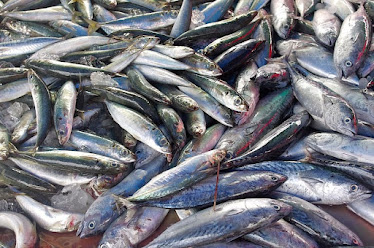
Arachidonic acid is obtained from food such as poultry, animal organs and meat, fish, seafood, and eggs, and is incorporated in phospholipids in the cells’ cytosol, adjacent to the endoplasmic reticulum membrane that is studded with the proteins necessary for phospholipid synthesis and their allocation to the diverse biological membranes.
Arachidonic acid
Nutrition is a scientific discipline that encompasses a structured body of knowledge. It includes various fields such as clinical nutrition, community nutrition, public health, food policy, and food science. At its core, nutrition is the study of how the body utilizes food. It is essential to life. Understanding nutrition enables us to make better dietary choices by determining the necessary nutrient intake, identifying optimal food sources, and recognizing beneficial or harmful food components.
Showing posts with label arachidonic acid. Show all posts
Wednesday, December 15, 2021
Subscribe to:
Posts (Atom)
Popular articles
-
Carrageenan, extracted from red seaweeds such as Kappaphycus alvarezii and Eucheuma denticulatum , remains one of the most widely used hydr...
-
First documented in 1735 by a Spanish physician named Gaspar Casal the niacin deficiency disease pellagra was originally named ‘mal de la ro...
-
Chikuwa is one of Japan’s most recognizable fish cakes, valued for its unique tube shape, mild flavor, and versatility in everyday cooking. ...
-
Plant foods are the main dietary sources of selenium worldwide, but their selenium content depends largely on the soil in which they are gro...
-
Passion fruit is a popular fruit in many subtropical and tropical countries. Yellow and purple passion fruit are good sources of pro-vitamin...