Coconut oil, extracted from the fruit of the coconut palm (Cocos nucifera), has been valued for centuries in tropical regions for its versatility in food preparation, personal care, and traditional medicine. Historically, the most common method of production involved drying coconut flesh to create copra, which typically contains between 50% and 65% oil. The copra is then pressed to release the oil, a process still widely used today alongside more modern techniques such as cold pressing and wet processing, which aim to preserve flavor and bioactive compounds.
From a chemical perspective, coconut oil is distinctive because it is composed of about 90% saturated fats. Unlike the long-chain fatty acids found in many animal fats, a large proportion of coconut oil’s saturated fat consists of medium-chain triglycerides (MCTs), including lauric acid, myristic acid, and palmitic acid. These MCTs are metabolized differently in the body, being rapidly absorbed and converted into energy by the liver. This structure also makes coconut oil highly stable, as saturated fats are less susceptible to oxidation. As a result, coconut oil is more resistant to rancidity than many vegetable oils, contributing to its long shelf life.
Physically, coconut oil has several notable properties that influence how it is used. Unrefined, or virgin, coconut oil typically solidifies at temperatures between 20 and 25°C, giving it a semi-solid texture in cooler climates. It has a smoke point of around 170°C, making it suitable for light sautéing and baking. Refined coconut oil, which has had impurities and coconut aroma removed, can withstand much higher temperatures, with a smoke point close to 232°C. This makes it appropriate for frying and other high-heat cooking methods. When stored properly—ideally below 24.5°C in airtight containers made of stainless steel, polyethylene, or fiberglass—coconut oil can remain stable for up to two years.
Beyond the kitchen, coconut oil has long been used in traditional medicine and personal care. Its high lauric acid content is associated with antimicrobial and anti-inflammatory properties, which explains its popularity in skin care, oral hygiene practices such as oil pulling, and remedies for minor infections. Recent scientific interest has focused on the potential benefits of MCTs for energy metabolism and brain function. Some studies suggest that MCTs may provide an alternative energy source for the brain, which has led to research into their possible role in supporting cognitive health, including in conditions such as Alzheimer’s disease.
Despite its benefits, coconut oil should be consumed thoughtfully. While it has been shown to raise levels of HDL, or “good,” cholesterol, it also increases LDL, or “bad,” cholesterol. Health organizations therefore recommend moderation and advise balancing coconut oil with unsaturated fats like olive, sunflower, or canola oil. In conclusion, coconut oil’s unique chemical stability, functional properties, and cultural significance have secured its place in both culinary and medicinal traditions, but mindful use is essential to support overall health.
Coconut Oil: Composition, Properties, Uses, and Health Considerations
Nutrition is a scientific discipline that encompasses a structured body of knowledge. It includes various fields such as clinical nutrition, community nutrition, public health, food policy, and food science. At its core, nutrition is the study of how the body utilizes food. It is essential to life. Understanding nutrition enables us to make better dietary choices by determining the necessary nutrient intake, identifying optimal food sources, and recognizing beneficial or harmful food components.
Showing posts with label health. Show all posts
Saturday, December 20, 2025
Monday, July 07, 2025
Flavonoids: Natural Compounds for Health and Disease Prevention
Flavonoids are a diverse group of plant-based secondary metabolites, primarily consisting of a benzopyrone structure with various phenolic or polyphenolic substitutions. Widely distributed in fruits, vegetables, herbs, and plant-derived beverages, these compounds play a vital role in medicinal chemistry and human health. Their potent biological activity has led to their inclusion in numerous nutraceutical, pharmaceutical, medicinal, and cosmetic products.
Dietary sources of flavonoids vary by region—tea predominates in Eastern diets, while wine is more common in Western consumption. Other significant sources include leafy greens, onions, berries, apples, soybeans, cherries, and citrus fruits. Their presence in such widely consumed foods makes flavonoids key contributors to health across populations.
Flavonoids exhibit a wide range of therapeutic properties. They are well known for their antioxidant effects, which help neutralize free radicals and reduce oxidative stress, thereby preventing chronic diseases such as cancer, cardiovascular disorders, and neurodegenerative conditions. Additionally, flavonoids possess anti-inflammatory, antiviral, immune-regulating, and antiallergic actions. They also support gastrointestinal health by modulating gut microbiota and enhancing nutrient absorption.Recent research has expanded their medicinal relevance. For example, anthocyanin-rich black carrots (Daucus carota) have demonstrated anti-obesity and anti-diabetic effects by modulating metabolic pathways. Similarly, naringenin and its glycosides from citrus fruits show strong antioxidant activity and help regulate blood glucose and lipid levels—making them promising agents in managing metabolic syndrome and type 2 diabetes.
Flavonoids are classified into six main subgroups: flavanols, flavan-3-ols, flavones, flavanones, isoflavones, and anthocyanins—each with distinct bioactivities. The continued exploration of these compounds in clinical settings is enhancing their value in preventive healthcare. Regular intake of flavonoid-rich foods thus represents a practical, natural strategy to boost health and reduce disease risk.
Flavonoids: Natural Compounds for Health and Disease Prevention
Dietary sources of flavonoids vary by region—tea predominates in Eastern diets, while wine is more common in Western consumption. Other significant sources include leafy greens, onions, berries, apples, soybeans, cherries, and citrus fruits. Their presence in such widely consumed foods makes flavonoids key contributors to health across populations.
Flavonoids exhibit a wide range of therapeutic properties. They are well known for their antioxidant effects, which help neutralize free radicals and reduce oxidative stress, thereby preventing chronic diseases such as cancer, cardiovascular disorders, and neurodegenerative conditions. Additionally, flavonoids possess anti-inflammatory, antiviral, immune-regulating, and antiallergic actions. They also support gastrointestinal health by modulating gut microbiota and enhancing nutrient absorption.Recent research has expanded their medicinal relevance. For example, anthocyanin-rich black carrots (Daucus carota) have demonstrated anti-obesity and anti-diabetic effects by modulating metabolic pathways. Similarly, naringenin and its glycosides from citrus fruits show strong antioxidant activity and help regulate blood glucose and lipid levels—making them promising agents in managing metabolic syndrome and type 2 diabetes.
Flavonoids are classified into six main subgroups: flavanols, flavan-3-ols, flavones, flavanones, isoflavones, and anthocyanins—each with distinct bioactivities. The continued exploration of these compounds in clinical settings is enhancing their value in preventive healthcare. Regular intake of flavonoid-rich foods thus represents a practical, natural strategy to boost health and reduce disease risk.
Flavonoids: Natural Compounds for Health and Disease Prevention
Sunday, December 01, 2024
Iron: The Essential Mineral for Health and Vitality
Iron is an indispensable mineral, crucial for forming red blood cells and delivering oxygen to tissues. This essential nutrient fuels bodily functions, promoting energy production and endurance. Iron’s pivotal role stems from its connection with hemoglobin, the protein in red blood cells that carries oxygen from the lungs to every cell, enabling vital metabolic processes and energy production. Beyond hemoglobin, iron supports key enzyme systems involved in energy metabolism.
Iron is particularly significant for women, especially those who are menstruating, pregnant, or lactating, as their bodies often experience increased iron demand. Without adequate iron, these groups face heightened risks of anemia, which can lead to fatigue, decreased immunity, and complications during pregnancy. Similarly, iron is vital for children and teenagers, supporting their growth, cognitive development, and overall physical well-being.
A balanced diet can provide sufficient iron. Rich sources include animal-based foods like red meat and egg yolks, which contain heme iron—a form easily absorbed by the body. Plant-based foods such as spinach, mushrooms, and watermelon offer non-heme iron, which is absorbed more slowly. Additionally, foods like parsley root, nettles, dried fruits (e.g., apricots and figs), whole grains, potatoes, nuts, and almonds contain significant amounts of non-heme iron, making them excellent choices for those following plant-based diets.
Iron deficiency remains a widespread nutritional concern, particularly in developing regions. Symptoms include chronic fatigue, headaches, shortness of breath, and susceptibility to infections. In severe cases, iron deficiency can lead to anemia, characterized by pale skin, heart palpitations, and extreme physical weakness. For menstruating women, iron deficiency may exacerbate menstrual pain and disorders, while in children, it can hinder learning and growth.
To prevent deficiency, healthcare professionals often recommend iron supplements or fortified foods, especially for high-risk groups. Combining iron-rich foods with vitamin C sources—like citrus fruits or bell peppers—can enhance iron absorption, promoting optimal health and vitality.
Iron: The Essential Mineral for Health and Vitality
Iron is particularly significant for women, especially those who are menstruating, pregnant, or lactating, as their bodies often experience increased iron demand. Without adequate iron, these groups face heightened risks of anemia, which can lead to fatigue, decreased immunity, and complications during pregnancy. Similarly, iron is vital for children and teenagers, supporting their growth, cognitive development, and overall physical well-being.
A balanced diet can provide sufficient iron. Rich sources include animal-based foods like red meat and egg yolks, which contain heme iron—a form easily absorbed by the body. Plant-based foods such as spinach, mushrooms, and watermelon offer non-heme iron, which is absorbed more slowly. Additionally, foods like parsley root, nettles, dried fruits (e.g., apricots and figs), whole grains, potatoes, nuts, and almonds contain significant amounts of non-heme iron, making them excellent choices for those following plant-based diets.
Iron deficiency remains a widespread nutritional concern, particularly in developing regions. Symptoms include chronic fatigue, headaches, shortness of breath, and susceptibility to infections. In severe cases, iron deficiency can lead to anemia, characterized by pale skin, heart palpitations, and extreme physical weakness. For menstruating women, iron deficiency may exacerbate menstrual pain and disorders, while in children, it can hinder learning and growth.
To prevent deficiency, healthcare professionals often recommend iron supplements or fortified foods, especially for high-risk groups. Combining iron-rich foods with vitamin C sources—like citrus fruits or bell peppers—can enhance iron absorption, promoting optimal health and vitality.
Iron: The Essential Mineral for Health and Vitality
Sunday, November 17, 2024
Potassium: A Cornerstone of Health and Vitality
Potassium, a vital mineral and electrolyte, plays a central role in maintaining overall health. One of its most crucial functions is regulating blood pressure by balancing sodium levels, thereby reducing hypertension risks. This regulation significantly lowers the likelihood of strokes and cardiovascular diseases. Additionally, potassium supports nerve function by enhancing the transmission of electrical signals across cells, energizing the entire body and promoting cellular nutrient uptake.
Potassium’s role extends to detoxification, as it assists in the elimination of waste products through the kidneys. By ensuring the proper functioning of the renal system, potassium aids in maintaining a clean internal environment, crucial for overall well-being. The mineral is highly recommended for managing rheumatic and arthritic disorders due to its anti-inflammatory properties. It also proves beneficial in alleviating migraines, headaches, convulsions, and muscle disorders, as it ensures the proper contraction and relaxation of muscles.
For daily potassium intake, incorporating natural food sources is essential. Potatoes, tomatoes, sunflower seeds, garlic, and fish are rich sources. Fruits such as bananas, avocados, apricots, oranges, apples, and grapes provide a delicious potassium boost, as do nuts and dairy products like milk and yogurt. Whole cereals also contribute to daily requirements. Surprisingly, beverages like tea and coffee contain moderate amounts of potassium and can be part of a balanced diet.
Herbs offer an additional avenue for increasing potassium intake. Catnip, nettle, plantain, sage, horsetail, and skullcap are particularly rich in potassium and provide a natural supplement for those seeking alternatives.
Incorporating potassium-rich foods and herbs into your diet can significantly improve health outcomes. The versatility of potassium in managing blood pressure, promoting nerve and muscle functions, and supporting detoxification underscores its importance. Emphasizing natural sources ensures a balanced, nutrient-rich diet, making potassium a cornerstone of wellness.
Potassium: A Cornerstone of Health and Vitality
Potassium’s role extends to detoxification, as it assists in the elimination of waste products through the kidneys. By ensuring the proper functioning of the renal system, potassium aids in maintaining a clean internal environment, crucial for overall well-being. The mineral is highly recommended for managing rheumatic and arthritic disorders due to its anti-inflammatory properties. It also proves beneficial in alleviating migraines, headaches, convulsions, and muscle disorders, as it ensures the proper contraction and relaxation of muscles.
For daily potassium intake, incorporating natural food sources is essential. Potatoes, tomatoes, sunflower seeds, garlic, and fish are rich sources. Fruits such as bananas, avocados, apricots, oranges, apples, and grapes provide a delicious potassium boost, as do nuts and dairy products like milk and yogurt. Whole cereals also contribute to daily requirements. Surprisingly, beverages like tea and coffee contain moderate amounts of potassium and can be part of a balanced diet.
Herbs offer an additional avenue for increasing potassium intake. Catnip, nettle, plantain, sage, horsetail, and skullcap are particularly rich in potassium and provide a natural supplement for those seeking alternatives.
Incorporating potassium-rich foods and herbs into your diet can significantly improve health outcomes. The versatility of potassium in managing blood pressure, promoting nerve and muscle functions, and supporting detoxification underscores its importance. Emphasizing natural sources ensures a balanced, nutrient-rich diet, making potassium a cornerstone of wellness.
Potassium: A Cornerstone of Health and Vitality
Monday, July 29, 2024
Mangoes: A Nutritional Powerhouse with Extensive Health Benefits
The mango, beyond its delightful taste, offers numerous health benefits, contributing to its status as a nutritional powerhouse. Rich in essential vitamins, minerals, and antioxidants, mangoes can significantly enhance overall health.
One of the most notable health benefits of mangoes is their high vitamin C content. Vitamin C is crucial for maintaining a healthy immune system, promoting collagen formation for healthy skin, and acting as a powerful antioxidant. A single cup of sliced mango provides approximately 100% of the recommended daily intake of vitamin C. Additionally, mangoes are rich in vitamin A, which is essential for eye health, reducing the risk of macular degeneration, and supporting healthy skin and mucous membranes.
Mangoes also contain a variety of antioxidants, such as quercetin, isoquercitrin, astragalin, fisetin, gallic acid, and methyl gallate. These compounds have been linked to anti-inflammatory properties, reduced oxidative stress, and lowered risks of certain cancers. For example, the antioxidant mangiferin found in mangoes is particularly effective in combating free radicals and may play a role in protecting against several chronic diseases.
Dietary fiber is another significant component of mangoes, promoting digestive health. Fiber aids in preventing constipation, supporting regular bowel movements, and maintaining a healthy gut microbiome. Consuming fiber-rich fruits like mangoes can also help regulate blood sugar levels, making them beneficial for people with diabetes. The low glycemic index of mangoes means they can be consumed without causing significant spikes in blood glucose levels.
Moreover, mangoes provide an array of essential minerals, including potassium and magnesium. Potassium helps regulate fluid balance, muscle contractions, and nerve signals, while magnesium is vital for many biochemical reactions in the body, including energy production and protein synthesis. These minerals contribute to cardiovascular health by helping to control blood pressure and reduce the risk of heart disease.
The presence of digestive enzymes such as amylases in mangoes aids in breaking down complex carbohydrates into simpler sugars, enhancing digestion and nutrient absorption. This makes mangoes an excellent addition to the diet for individuals with digestive issues.
In conclusion, the health benefits of mangoes are extensive and multifaceted. Incorporating mangoes into your diet can provide essential vitamins, minerals, antioxidants, and fiber, all of which contribute to improved immune function, better digestion, and reduced risk of chronic diseases.
Mangoes: A Nutritional Powerhouse with Extensive Health Benefits
One of the most notable health benefits of mangoes is their high vitamin C content. Vitamin C is crucial for maintaining a healthy immune system, promoting collagen formation for healthy skin, and acting as a powerful antioxidant. A single cup of sliced mango provides approximately 100% of the recommended daily intake of vitamin C. Additionally, mangoes are rich in vitamin A, which is essential for eye health, reducing the risk of macular degeneration, and supporting healthy skin and mucous membranes.
Mangoes also contain a variety of antioxidants, such as quercetin, isoquercitrin, astragalin, fisetin, gallic acid, and methyl gallate. These compounds have been linked to anti-inflammatory properties, reduced oxidative stress, and lowered risks of certain cancers. For example, the antioxidant mangiferin found in mangoes is particularly effective in combating free radicals and may play a role in protecting against several chronic diseases.
Dietary fiber is another significant component of mangoes, promoting digestive health. Fiber aids in preventing constipation, supporting regular bowel movements, and maintaining a healthy gut microbiome. Consuming fiber-rich fruits like mangoes can also help regulate blood sugar levels, making them beneficial for people with diabetes. The low glycemic index of mangoes means they can be consumed without causing significant spikes in blood glucose levels.
Moreover, mangoes provide an array of essential minerals, including potassium and magnesium. Potassium helps regulate fluid balance, muscle contractions, and nerve signals, while magnesium is vital for many biochemical reactions in the body, including energy production and protein synthesis. These minerals contribute to cardiovascular health by helping to control blood pressure and reduce the risk of heart disease.
The presence of digestive enzymes such as amylases in mangoes aids in breaking down complex carbohydrates into simpler sugars, enhancing digestion and nutrient absorption. This makes mangoes an excellent addition to the diet for individuals with digestive issues.
In conclusion, the health benefits of mangoes are extensive and multifaceted. Incorporating mangoes into your diet can provide essential vitamins, minerals, antioxidants, and fiber, all of which contribute to improved immune function, better digestion, and reduced risk of chronic diseases.
Mangoes: A Nutritional Powerhouse with Extensive Health Benefits
Monday, July 15, 2024
Silicon Dioxide: Essential Nutrient for Bone Health and Beyond
Silicon dioxide (SiO2), commonly known as silica, is the natural form of silicon found in food. This essential element plays a critical role in various bodily functions, contributing significantly to bone development, connective tissue formation, gene expression, and cardiovascular health. The importance of silicon in bone mineralization and soft tissue growth is well-documented, but recent research highlights its potential therapeutic effects on a range of human disorders.
One of the significant benefits of silicon is its role in preventing osteoporosis, a condition characterized by weakened bones. Silicon enhances the deposition of calcium and other minerals into the bone matrix, thereby improving bone density and strength. Furthermore, silicon is vital for the healthy aging of skin, hair, and nails. It promotes the synthesis of collagen, a protein essential for maintaining skin elasticity and hydration, as well as for the strength and resilience of hair and nails. Silicon also helps combat atherosclerosis by preventing the hardening and narrowing of arteries, thus supporting cardiovascular health.
In our diet, silicon exists in various forms, including silicic acid, silicon dioxide (silica), and silicates. Plant-based foods are generally richer in silicon compared to animal-based foods. Among cereals, particularly those that are less refined, such as oat-based products, silicon concentrations are highest. The silicon content in fruits and vegetables varies significantly; Kenyan beans, French beans, runner beans, spinach, dried fruit, bananas, and red lentils are particularly rich in silicon, whereas tomatoes, oranges, and onions contain undetectable levels.
Silicic acid, a soluble form of silicon, is prevalent in water and beverages, with beer being notably rich in this form due to its whole-grain cereal content. The silicon content in drinking water can also vary, with some mineral waters having relatively high levels. Plants absorb silicic acid from the soil, which then undergoes polymerization to form solid silica bodies, silica cells, or phytoliths, which contribute to the structural integrity of plants.
In conclusion, silicon is a vital element for human health, supporting bone and connective tissue health, skin, hair, and nails, and cardiovascular functions. Its presence in various foods, particularly plant-based ones, underscores the importance of a balanced diet in ensuring adequate silicon intake. As research continues to uncover its benefits, silicon's role in preventing and managing health disorders will likely become even more pronounced.
Silicon Dioxide: Essential Nutrient for Bone Health and Beyond
One of the significant benefits of silicon is its role in preventing osteoporosis, a condition characterized by weakened bones. Silicon enhances the deposition of calcium and other minerals into the bone matrix, thereby improving bone density and strength. Furthermore, silicon is vital for the healthy aging of skin, hair, and nails. It promotes the synthesis of collagen, a protein essential for maintaining skin elasticity and hydration, as well as for the strength and resilience of hair and nails. Silicon also helps combat atherosclerosis by preventing the hardening and narrowing of arteries, thus supporting cardiovascular health.
In our diet, silicon exists in various forms, including silicic acid, silicon dioxide (silica), and silicates. Plant-based foods are generally richer in silicon compared to animal-based foods. Among cereals, particularly those that are less refined, such as oat-based products, silicon concentrations are highest. The silicon content in fruits and vegetables varies significantly; Kenyan beans, French beans, runner beans, spinach, dried fruit, bananas, and red lentils are particularly rich in silicon, whereas tomatoes, oranges, and onions contain undetectable levels.
Silicic acid, a soluble form of silicon, is prevalent in water and beverages, with beer being notably rich in this form due to its whole-grain cereal content. The silicon content in drinking water can also vary, with some mineral waters having relatively high levels. Plants absorb silicic acid from the soil, which then undergoes polymerization to form solid silica bodies, silica cells, or phytoliths, which contribute to the structural integrity of plants.
In conclusion, silicon is a vital element for human health, supporting bone and connective tissue health, skin, hair, and nails, and cardiovascular functions. Its presence in various foods, particularly plant-based ones, underscores the importance of a balanced diet in ensuring adequate silicon intake. As research continues to uncover its benefits, silicon's role in preventing and managing health disorders will likely become even more pronounced.
Silicon Dioxide: Essential Nutrient for Bone Health and Beyond
Saturday, June 22, 2024
Essential Minerals: The Cornerstones of Health and Immunity
In contemporary discussions about health, nutritionists, medical experts, and even acquaintances often emphasize the importance of essential minerals. While many understand the necessity of consuming mineral-rich foods—primarily fruits and vegetables—few comprehend the specific roles these minerals play in our health, their indispensability, and the potential consequences of deficiencies.
Minerals are foundational to numerous bodily functions, beyond merely providing energy and promoting well-being. They are indispensable for maintaining optimal health. However, even proponents of mineral-rich diets or supplements frequently lack knowledge about the proper timing and methods for mineral intake. This knowledge gap underscores the need for better education about the role of minerals in our diet.
Among the most crucial minerals for maintaining health and preventing disease are calcium, magnesium, potassium, and iron. Each of these minerals contributes significantly to the body's overall function and resilience. Calcium is vital for strong bones and teeth, playing a crucial role in preventing osteoporosis and supporting muscle function. Magnesium is essential for over 300 biochemical reactions in the body, including energy production, and it helps regulate muscle and nerve function, blood sugar levels, and blood pressure. Potassium is key to maintaining normal fluid balance, nerve signals, and muscle contractions, while iron is essential for the production of hemoglobin, which transports oxygen in the blood.
These minerals collectively bolster the immune system, enhancing the body’s natural defense mechanisms against illnesses. Additionally, they provide a multitude of benefits to major organs and bodily functions. For instance, adequate calcium and magnesium intake can improve cardiovascular health, while sufficient potassium levels can reduce the risk of hypertension and stroke. Iron, meanwhile, is critical for preventing anemia and ensuring that organs receive adequate oxygen.
In conclusion, understanding the significance of minerals and their proper intake is crucial. They are not merely sources of energy but fundamental components of health, necessary for preventing a wide array of diseases and maintaining overall bodily functions.
Essential Minerals: The Cornerstones of Health and Immunity
Minerals are foundational to numerous bodily functions, beyond merely providing energy and promoting well-being. They are indispensable for maintaining optimal health. However, even proponents of mineral-rich diets or supplements frequently lack knowledge about the proper timing and methods for mineral intake. This knowledge gap underscores the need for better education about the role of minerals in our diet.
Among the most crucial minerals for maintaining health and preventing disease are calcium, magnesium, potassium, and iron. Each of these minerals contributes significantly to the body's overall function and resilience. Calcium is vital for strong bones and teeth, playing a crucial role in preventing osteoporosis and supporting muscle function. Magnesium is essential for over 300 biochemical reactions in the body, including energy production, and it helps regulate muscle and nerve function, blood sugar levels, and blood pressure. Potassium is key to maintaining normal fluid balance, nerve signals, and muscle contractions, while iron is essential for the production of hemoglobin, which transports oxygen in the blood.
These minerals collectively bolster the immune system, enhancing the body’s natural defense mechanisms against illnesses. Additionally, they provide a multitude of benefits to major organs and bodily functions. For instance, adequate calcium and magnesium intake can improve cardiovascular health, while sufficient potassium levels can reduce the risk of hypertension and stroke. Iron, meanwhile, is critical for preventing anemia and ensuring that organs receive adequate oxygen.
In conclusion, understanding the significance of minerals and their proper intake is crucial. They are not merely sources of energy but fundamental components of health, necessary for preventing a wide array of diseases and maintaining overall bodily functions.
Essential Minerals: The Cornerstones of Health and Immunity
Monday, August 07, 2023
Grapefruit Juice: Exploring Nutritional Value and Health Benefits
Grapefruits, recognized for their sizable and rounded appearance, are citrus fruits thought to have emerged from a hybrid cross between an orange and a shaddock. This unique variety of fruit took shape in the West Indies in the early 1700s and later found its way to Florida in the 1820s.
Beyond their pleasing flavor, grapefruits are notable for their low calorie content combined with an impressive range of nutrients. These nutrients encompass calories, niacin, ascorbic acid, vitamin A, potassium, phosphorus, calcium, carbohydrates, protein, fat, iron, sodium, riboflavin, and thiamine. Consuming grapefruit juice has been associated with reducing the risk of various diseases and facilitating weight loss.
Grapefruit has garnered acknowledgment as a viable solution for weight management, addressing issues such as water retention and lymphatic congestion. Its capacity to boost fat metabolism, counteract cellulite, and potentially aid in dissolving gallstones has been recognized.
In the context of today's health-conscious environment, grapefruit juice is widely embraced for its potential in guarding against cardiovascular disorders and the development of cancer.
Recent research suggests that grapefruit juice might lead to a reduction of up to 16% in serum cholesterol and a 21% decrease in low-density lipoprotein (LDL) cholesterol, when compared to mineral water. This impact has been particularly prominent among patients grappling with hyperlipidemia.
The contemporary realm of grapefruits encompasses three main variations: white, pink/red, and ruby/rio red. Through the combination of the delightful and zesty nuances of oranges and shaddocks, grapefruit juice not only satisfies taste buds but also supplies as much as 69% of the Recommended Dietary Allowance (RDA) for vitamin C, accompanied by a substantial potassium content of up to 250 mg.
In-depth examination of grapefruit's composition has identified two bioactive compounds – bergaptol and geranyl coumarin – sourced from both grapefruit juice and its peel oil. These compounds, acknowledged for their robust antioxidant characteristics, contribute to the potential health advantages associated with the fruit.
Throughout history, grapefruit juice has been linked to a wide spectrum of effects, encompassing antioxidant, antinitrosaminic, antiseptic, aperitif, cardiotonic, detoxifying, hypocholesterolemic, sedative, and stomachic activities.
Grapefruit Juice: Exploring Nutritional Value and Health Benefits
Beyond their pleasing flavor, grapefruits are notable for their low calorie content combined with an impressive range of nutrients. These nutrients encompass calories, niacin, ascorbic acid, vitamin A, potassium, phosphorus, calcium, carbohydrates, protein, fat, iron, sodium, riboflavin, and thiamine. Consuming grapefruit juice has been associated with reducing the risk of various diseases and facilitating weight loss.
Grapefruit has garnered acknowledgment as a viable solution for weight management, addressing issues such as water retention and lymphatic congestion. Its capacity to boost fat metabolism, counteract cellulite, and potentially aid in dissolving gallstones has been recognized.
In the context of today's health-conscious environment, grapefruit juice is widely embraced for its potential in guarding against cardiovascular disorders and the development of cancer.
Recent research suggests that grapefruit juice might lead to a reduction of up to 16% in serum cholesterol and a 21% decrease in low-density lipoprotein (LDL) cholesterol, when compared to mineral water. This impact has been particularly prominent among patients grappling with hyperlipidemia.
The contemporary realm of grapefruits encompasses three main variations: white, pink/red, and ruby/rio red. Through the combination of the delightful and zesty nuances of oranges and shaddocks, grapefruit juice not only satisfies taste buds but also supplies as much as 69% of the Recommended Dietary Allowance (RDA) for vitamin C, accompanied by a substantial potassium content of up to 250 mg.
In-depth examination of grapefruit's composition has identified two bioactive compounds – bergaptol and geranyl coumarin – sourced from both grapefruit juice and its peel oil. These compounds, acknowledged for their robust antioxidant characteristics, contribute to the potential health advantages associated with the fruit.
Throughout history, grapefruit juice has been linked to a wide spectrum of effects, encompassing antioxidant, antinitrosaminic, antiseptic, aperitif, cardiotonic, detoxifying, hypocholesterolemic, sedative, and stomachic activities.
Grapefruit Juice: Exploring Nutritional Value and Health Benefits
Saturday, September 24, 2022
Sugarcane juice rich with antioxidants
Sugarcane (Saccharum officinarum L.) juice is widely consumed by people of the tropics and subtropics.
The objective of sugarcane harvest is to produce sugarcane stalks with the highest possible sucrose content, ranging from 10 to 15% of the weight of stalks. Most sucrose is stored in the inner portion of the stalks while majority of valuable sugarcane extracts, including antioxidants, concentrate in the outer component (rind fraction) of the stalks.
Sugarcane juice also contains high levels of antioxidants like flavonoids and polyphenolic compounds, which can help reduce oxidative stress and improve human overall health.
Pigments in sugarcane juice are mainly phenolic compounds. The main compounds phenolic composition in sugarcane and its products were phenylpropanoids and flavonoids.
Study on sugarcane extract has displayed a wide range of biological effects including immunostimulation, anti-thrombosis activity, anti-inflammatory activity, vaccine adjuvant, modulation of acetylcholine release and anti-stress effects. Sugarcane juice has broad biological effects in raising innate immunity to infections.
There are thirteen antioxidant compounds have been identified, including several glycosylated phenolic compounds in kokuto (brown sugar of sugar cane in Japan). Some identified compounds exhibited higher antioxidant activity than αtocopherol.
Study indicate that the sugarcane juice of different varieties was effective in giving antioxidant protection at various levels, inhibition of radical formation (by reducing iron complexes), radical scavenging at both primary and secondary stages, and in membrane protection (as assayed by lipid peroxidation). The mechanism involved in many human diseases such as hepatotoxicoties, hepatocarcinogenesis, diabetes, malaria, acute myocardial infarcation, skin cancer includes lipid peroxidation as a main source of membrane damage.
Sugarcane juice rich with antioxidants
The objective of sugarcane harvest is to produce sugarcane stalks with the highest possible sucrose content, ranging from 10 to 15% of the weight of stalks. Most sucrose is stored in the inner portion of the stalks while majority of valuable sugarcane extracts, including antioxidants, concentrate in the outer component (rind fraction) of the stalks.
Sugarcane juice also contains high levels of antioxidants like flavonoids and polyphenolic compounds, which can help reduce oxidative stress and improve human overall health.
Pigments in sugarcane juice are mainly phenolic compounds. The main compounds phenolic composition in sugarcane and its products were phenylpropanoids and flavonoids.
Study on sugarcane extract has displayed a wide range of biological effects including immunostimulation, anti-thrombosis activity, anti-inflammatory activity, vaccine adjuvant, modulation of acetylcholine release and anti-stress effects. Sugarcane juice has broad biological effects in raising innate immunity to infections.
There are thirteen antioxidant compounds have been identified, including several glycosylated phenolic compounds in kokuto (brown sugar of sugar cane in Japan). Some identified compounds exhibited higher antioxidant activity than αtocopherol.
Study indicate that the sugarcane juice of different varieties was effective in giving antioxidant protection at various levels, inhibition of radical formation (by reducing iron complexes), radical scavenging at both primary and secondary stages, and in membrane protection (as assayed by lipid peroxidation). The mechanism involved in many human diseases such as hepatotoxicoties, hepatocarcinogenesis, diabetes, malaria, acute myocardial infarcation, skin cancer includes lipid peroxidation as a main source of membrane damage.
Sugarcane juice rich with antioxidants
Thursday, June 30, 2022
Organic compounds in cocoa -polyphenols
Cocoa and cocoa products, namely cocoa liquor, cocoa powder and chocolates (milk and dark chocolates) may present varied polyphenol contents and possess different levels of antioxidant potentials.
Fresh cocoa beans contain about 32–39% water, 30–32% fat, 10–15% protein, 5–6% polyphenols, 4–6% pentosans, 2–3% cellulose, 2–3% sucrose, 1–2% theobromine, 1% acids and less than 1% caffeine. It is also a rich source of mineral components.
The polyphenols in cocoa beans could contribute to about 12-18% of the dry weight of the whole bean.
The content and composition of polyphenols differs depending on the genotype, origin, growth conditions, degree of ripeness of the cocoa fruit and the grain processing parameters.
Studies indicated that dark chocolate exhibited the highest polyphenol content, with 610 mg total catechins/kg of fresh edible weight. With advancements in technology, high performance liquid chromatography (HPLC) had been utilized in the determination of polyphenol compounds in cocoa.
Main classes of polyphenolic compounds identified are such as simple phenols, benzoquinones, phenolic acids, acetophenones, phenylacetic acids, hydroxycinnamic acids, phenylpropenes, coumarines, chromones, naphtoquinones, xanthones, stilbenes, anthraquinones, flavonoids, lignans and lignins. Three main groups of cocoa polyphenols can be distinguished namely the catechins (37%), anthocyanins (4%) and proanthocyanidins (58%).
The brown and purple color of the cocoa bean was attributed to the complex alteration products of catechin and tannin. Beside these compounds, cocoa was found to have leucoanthocyanins that are present as glycosides.
Phenolic antioxidants have been shown to inhibit the oxidation of low-density lipoprotein (LDL) cholesterol, and mounting evidence suggests that it is the oxidized form of LDL that leads to the buildup of fatty plaques in arteries.
Some other the beneficial effects of polyphenols are such as anti-carcinogenic, anti-atherogenic, anti-ulcer, anti-thrombotic, anti-inflammatory, immune modulating, anti-microbial, vasodilatory and analgesic effect.
Epicatechin and other flavonoids not only have a direct antioxidant effect, but they may also have a sparing effect on other antioxidants such as Vitamin C and E.
Fresh cocoa beans contain about 32–39% water, 30–32% fat, 10–15% protein, 5–6% polyphenols, 4–6% pentosans, 2–3% cellulose, 2–3% sucrose, 1–2% theobromine, 1% acids and less than 1% caffeine. It is also a rich source of mineral components.
The polyphenols in cocoa beans could contribute to about 12-18% of the dry weight of the whole bean.
The content and composition of polyphenols differs depending on the genotype, origin, growth conditions, degree of ripeness of the cocoa fruit and the grain processing parameters.
Studies indicated that dark chocolate exhibited the highest polyphenol content, with 610 mg total catechins/kg of fresh edible weight. With advancements in technology, high performance liquid chromatography (HPLC) had been utilized in the determination of polyphenol compounds in cocoa.
Main classes of polyphenolic compounds identified are such as simple phenols, benzoquinones, phenolic acids, acetophenones, phenylacetic acids, hydroxycinnamic acids, phenylpropenes, coumarines, chromones, naphtoquinones, xanthones, stilbenes, anthraquinones, flavonoids, lignans and lignins. Three main groups of cocoa polyphenols can be distinguished namely the catechins (37%), anthocyanins (4%) and proanthocyanidins (58%).
The brown and purple color of the cocoa bean was attributed to the complex alteration products of catechin and tannin. Beside these compounds, cocoa was found to have leucoanthocyanins that are present as glycosides.
Phenolic antioxidants have been shown to inhibit the oxidation of low-density lipoprotein (LDL) cholesterol, and mounting evidence suggests that it is the oxidized form of LDL that leads to the buildup of fatty plaques in arteries.
Some other the beneficial effects of polyphenols are such as anti-carcinogenic, anti-atherogenic, anti-ulcer, anti-thrombotic, anti-inflammatory, immune modulating, anti-microbial, vasodilatory and analgesic effect.
Epicatechin and other flavonoids not only have a direct antioxidant effect, but they may also have a sparing effect on other antioxidants such as Vitamin C and E.
Wednesday, February 23, 2022
Triglycerides: Ester derived from glycerol and three fatty acids
Most of the dietary fat is in the form of triglyceride. Triglycerides are nonpolar lipid molecules formed by the three fatty acids esterified to a glycerol backbone and they represent the main form of lipid storage and energy in the human organism.
They are synthesized primarily through the glycerol phosphate pathway, and the traffic of triglycerides in specific tissues, such as muscle, liver, and adipose tissue, depends on the nutritional state of the individual, and is a biological process that is essential for life.
The amount of triglycerides (or blood fats) in blood are one important barometer of metabolic health; high levels are associated with coronary heart disease, diabetes and fatty liver disease.
Triglycerides do not build up in the arteries like bad cholesterol (LDL). Instead, high levels can make LDL cholesterol change into a more harmful form that damages the arteries.
High triglycerides also keep the patient from forming good cholesterol (HDL). If triglycerides are very high, a dangerous condition called “pancreatitis” (inflammation in the pancreas), can develop.
Even if people have not been diagnosed with triglycerides outside the normal range, if they eat too many simple sugars (refined grains, added sugars and alcohol) their triglycerides will increase.
Other causes might increase triglycerides level:
• Being overweight,
• Eating too much unhealthy (saturated) fat,
• Having diabetes or kidney disease,
• Genetics.
• Some medicines.
Lose weight – there is evidence that a 5-10 percent weight loss results in a 20 percent decrease in triglycerides – the magnitude of decrease in triglycerides are directly related to the amount of weight lost.
Quality of foods consumed – A healthy eating pattern limits intake of sodium (salt), solid fats (such as full fat dairy products, meat and some tropical oils, such as coconut oil), added sugars, and refined grains and emphasizes more nutritious foods and beverages—vegetables, fruits, fiber-rich whole grains, fat-free or low-fat milk and milk products, seafood, lean meats and poultry, beans, nuts and seeds.
Triglycerides: Ester derived from glycerol and three fatty acids
They are synthesized primarily through the glycerol phosphate pathway, and the traffic of triglycerides in specific tissues, such as muscle, liver, and adipose tissue, depends on the nutritional state of the individual, and is a biological process that is essential for life.
The amount of triglycerides (or blood fats) in blood are one important barometer of metabolic health; high levels are associated with coronary heart disease, diabetes and fatty liver disease.
Triglycerides do not build up in the arteries like bad cholesterol (LDL). Instead, high levels can make LDL cholesterol change into a more harmful form that damages the arteries.
High triglycerides also keep the patient from forming good cholesterol (HDL). If triglycerides are very high, a dangerous condition called “pancreatitis” (inflammation in the pancreas), can develop.
Even if people have not been diagnosed with triglycerides outside the normal range, if they eat too many simple sugars (refined grains, added sugars and alcohol) their triglycerides will increase.
Other causes might increase triglycerides level:
• Being overweight,
• Eating too much unhealthy (saturated) fat,
• Having diabetes or kidney disease,
• Genetics.
• Some medicines.
Lose weight – there is evidence that a 5-10 percent weight loss results in a 20 percent decrease in triglycerides – the magnitude of decrease in triglycerides are directly related to the amount of weight lost.
Quality of foods consumed – A healthy eating pattern limits intake of sodium (salt), solid fats (such as full fat dairy products, meat and some tropical oils, such as coconut oil), added sugars, and refined grains and emphasizes more nutritious foods and beverages—vegetables, fruits, fiber-rich whole grains, fat-free or low-fat milk and milk products, seafood, lean meats and poultry, beans, nuts and seeds.
Triglycerides: Ester derived from glycerol and three fatty acids
Saturday, January 22, 2022
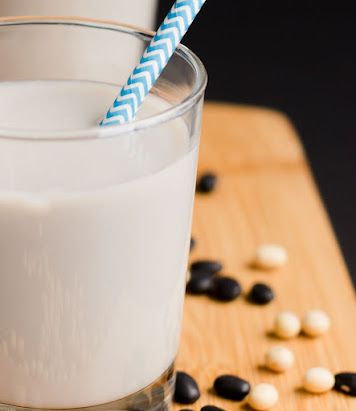
The properties of soybean milk
Soybean milk or soy milk, the water extract of soybeans, is a stable emulsion, which is considered as staple Asian cuisine. Overnight soaked soy beans are crushed with water and filtered to get the soy milk.
As an inexpensive and convenient source of high-quality proteins, soy milk is one of the most important traditional beverages that are consumed widely in Asian countries, including China, Japan, Korea, Singapore and Thailand.
Soybean can play a vital role in balancing the protein deficiency of human diet. Soybean mostly contains protein (~40%) and other compounds, such as carbohydrates, isoflavones, saponins, phytic acid, and fibers.
It is also rich in Ca, Protein and Vitamins A, B, C and D. In countries or regions where animal proteins are not available or where the price of meat are beyond the purchasing power of average population, soybean and soybean products may be used as their substitutes.
One advantage of soy milk over cow/buffalo milk is, this milk doesn’t contain lactose or cholesterol and the fibers present can be removed from the final product. Those features have made soybean milk as an alternative protein source, especially for people who have lactose intolerance syndrome.
Functional soy milk can be considered as soy milk that contains extra bioactive components and may help to enhance health or lower risk of diseases. Soybean is a good source of phenolic compounds with antioxidant properties and has an extraordinarily high amount of isoflavones, a group of phytoestrogens that have been reported to possibly lower the risk of hormonal and age-related diseases.
Fermentation using lactic acid bacteria (LAB) can reduce the beany flavor of soybean milk. Fermented soybean milk has become popular because it appears to reduce cardiovascular disease, contribute to weight loss, mitigate arthritic symptoms and improve brain function.
The properties of soybean milk
As an inexpensive and convenient source of high-quality proteins, soy milk is one of the most important traditional beverages that are consumed widely in Asian countries, including China, Japan, Korea, Singapore and Thailand.
Soybean can play a vital role in balancing the protein deficiency of human diet. Soybean mostly contains protein (~40%) and other compounds, such as carbohydrates, isoflavones, saponins, phytic acid, and fibers.
It is also rich in Ca, Protein and Vitamins A, B, C and D. In countries or regions where animal proteins are not available or where the price of meat are beyond the purchasing power of average population, soybean and soybean products may be used as their substitutes.
One advantage of soy milk over cow/buffalo milk is, this milk doesn’t contain lactose or cholesterol and the fibers present can be removed from the final product. Those features have made soybean milk as an alternative protein source, especially for people who have lactose intolerance syndrome.
Functional soy milk can be considered as soy milk that contains extra bioactive components and may help to enhance health or lower risk of diseases. Soybean is a good source of phenolic compounds with antioxidant properties and has an extraordinarily high amount of isoflavones, a group of phytoestrogens that have been reported to possibly lower the risk of hormonal and age-related diseases.
Fermentation using lactic acid bacteria (LAB) can reduce the beany flavor of soybean milk. Fermented soybean milk has become popular because it appears to reduce cardiovascular disease, contribute to weight loss, mitigate arthritic symptoms and improve brain function.
The properties of soybean milk
Wednesday, December 15, 2021
Diet rich in vegetables and fruits can lower the risk of Alzheimer disease
Both fruit and vegetable contain a wide variety of nutrients such as vitamins, minerals, plant chemicals, that help to keep blood vessels in good working order and improve human body overall health.
Several thousand polyphenols have been identified on edible plants and have antioxidants properties as well as probable role in the prevention of Alzheimer’s disease with associate growth oxidative damage. Most polyphenols exist primarily in the outer sections of fruits and vegetables.
Alzheimer’s disease slowly destroys memory and thinking cells and eventually the ability to carry out the simplest tasks. When an Alzheimer’s disease brain is examined under the microscope, two defining neuropathological features of Alzheimer’s disease are observed:
*Extracellular β-amyloid plaques
*Intracellular neurofibrillary tangles
Scientists believed that polyphenols in vegetables, seem to have a protective effect on the brain, decrease the possibility of dementia and prohibit the development Alzheimer’s disease.
Polyphenols can be grouped in four categories: Phenolic acids, Flavonoids, Lignans, Stilbenes. Flavonoids then can be divided to two categories: anthocyanins and anthoxanthins.
A most vital chemical property of polyphenols is their antioxidant activity which their capability to prevent oxidative damage within cells by blocking the activity of free radicals. Polyphenols are able to modulate the expression of genes to increase antioxidant defense. Polyphenols also protect and repair DNA damage.
Diet rich in vegetables and fruits can lower the risk of Alzheimer disease
Several thousand polyphenols have been identified on edible plants and have antioxidants properties as well as probable role in the prevention of Alzheimer’s disease with associate growth oxidative damage. Most polyphenols exist primarily in the outer sections of fruits and vegetables.
Alzheimer’s disease slowly destroys memory and thinking cells and eventually the ability to carry out the simplest tasks. When an Alzheimer’s disease brain is examined under the microscope, two defining neuropathological features of Alzheimer’s disease are observed:
*Extracellular β-amyloid plaques
*Intracellular neurofibrillary tangles
Scientists believed that polyphenols in vegetables, seem to have a protective effect on the brain, decrease the possibility of dementia and prohibit the development Alzheimer’s disease.
Polyphenols can be grouped in four categories: Phenolic acids, Flavonoids, Lignans, Stilbenes. Flavonoids then can be divided to two categories: anthocyanins and anthoxanthins.
A most vital chemical property of polyphenols is their antioxidant activity which their capability to prevent oxidative damage within cells by blocking the activity of free radicals. Polyphenols are able to modulate the expression of genes to increase antioxidant defense. Polyphenols also protect and repair DNA damage.
Diet rich in vegetables and fruits can lower the risk of Alzheimer disease
Tuesday, November 23, 2021
Oats: A good source of fiber
The oats belong to the family of poaceae and is commonly known as Avena Sativa. Oats are generally regarded as a minor cereal crop when considered in terms of grain produced annually, or areas sown for production. It is a staple crop of Germany, Ireland, Scotland, and the Scandinavian countries.
Oats have been used as livestock and human foods since ancient times. Oats is a class of cereal grain essentially grown for human consumption as well as for livestock fodder.
Oat grout or whole grain (after removal of hull) contain all three parts of the grain – the germ, endosperm and bran, rich in all valuable nutrients and this grain has recently attracted many research and commercial attention mainly due to its high nutritional value. Oats along with soluble fiber β -glucan are rich in lipids, protein, B vitamins, minerals, antioxidant vitamin E, phytic acid, phenolic acid and avenantramides.Total carbohydrate content (including cellulose and non-starch polysaccharides) may reach 75-80% of the dry matter. Oats is an excellent sources of different dietary fiber components of mixed-linkage (1→3), (1→4)-β-D-glucan arabinoxylans and cellulose. It achieves high viscosities at relatively low concentrations and is of particular importance in human nutrition.
Population studies suggest that diet rich in oats or other foods containing soluble fiber has been linked in lowering elevated blood cholesterol, triglyceride, and glucose levels. Soluble fiber in oats are found to be associated with lower levels of blood pressure or rates of coronary disease.
Oat or oat fiber consumption has been shown to reduce postprandial glucose and insulin concentrations, and the reduction in insulin concentration may provide a mechanism by which blood pressure could be reduced in response to oats consumption.
Oats also good sources of insoluble fiber functions as a water-holding-capacity agent and can reduce intestinal transit time when present in adequate amounts in food.
In the year 1997, USFDA approved the use of a health claim “3g/day of oat β-glucan may help lower blood total and low-density lipoprotein (LDL-C) cholesterol”.
Oats: A good source of fiber
Oats have been used as livestock and human foods since ancient times. Oats is a class of cereal grain essentially grown for human consumption as well as for livestock fodder.
Oat grout or whole grain (after removal of hull) contain all three parts of the grain – the germ, endosperm and bran, rich in all valuable nutrients and this grain has recently attracted many research and commercial attention mainly due to its high nutritional value. Oats along with soluble fiber β -glucan are rich in lipids, protein, B vitamins, minerals, antioxidant vitamin E, phytic acid, phenolic acid and avenantramides.Total carbohydrate content (including cellulose and non-starch polysaccharides) may reach 75-80% of the dry matter. Oats is an excellent sources of different dietary fiber components of mixed-linkage (1→3), (1→4)-β-D-glucan arabinoxylans and cellulose. It achieves high viscosities at relatively low concentrations and is of particular importance in human nutrition.
Population studies suggest that diet rich in oats or other foods containing soluble fiber has been linked in lowering elevated blood cholesterol, triglyceride, and glucose levels. Soluble fiber in oats are found to be associated with lower levels of blood pressure or rates of coronary disease.
Oat or oat fiber consumption has been shown to reduce postprandial glucose and insulin concentrations, and the reduction in insulin concentration may provide a mechanism by which blood pressure could be reduced in response to oats consumption.
Oats also good sources of insoluble fiber functions as a water-holding-capacity agent and can reduce intestinal transit time when present in adequate amounts in food.
In the year 1997, USFDA approved the use of a health claim “3g/day of oat β-glucan may help lower blood total and low-density lipoprotein (LDL-C) cholesterol”.
Oats: A good source of fiber
Sunday, June 20, 2021
Dietary fiber: Benefits to human body
Dietary fiber has been identified as an important component of a healthy diet. Whole wheat grains are good sources of dietary fiber. It consists of non-digestible carbohydrates and lignins that intact and intrinsic in plants.
Consumption of whole grain dietary fiber has been associated with reduced risk of chronic diseases. High fiber intake can reduced the risk of coronary heart disease.
Eating foods with high in fiber will help reduce energy intake thus facilitating body weight maintenance or weight loss.
Dietary fiber can be classified to soluble and insoluble. Both soluble and insoluble are essential for good health each serving different functions in the body.
For example insoluble improves intestinal health and is thought to reduce the risks of certain cancers. The study showed that people who ate the most dietary fiber (35 gm per day) reduced their risk of colon cancer by 40% compared with those who ate the least fiber (15 gm per day).
While soluble fiber lowers blood cholesterol and may reduce the risk of heart disease.
Both types of fiber can help with weight control. In the stomach they convey a feeling of fullness because they absorb water and some of them delay the emptying of stomach so that the person feel full longer.
Lack of dietary fiber is not only a cause of such gastrointestinal problems as diverticulitis and constipation – it is also implicated in high blood pressure and heart disease, and in obesity and obesity related diabetes.
Dietary fiber: Benefits to human body
Consumption of whole grain dietary fiber has been associated with reduced risk of chronic diseases. High fiber intake can reduced the risk of coronary heart disease.
Eating foods with high in fiber will help reduce energy intake thus facilitating body weight maintenance or weight loss.
Dietary fiber can be classified to soluble and insoluble. Both soluble and insoluble are essential for good health each serving different functions in the body.
For example insoluble improves intestinal health and is thought to reduce the risks of certain cancers. The study showed that people who ate the most dietary fiber (35 gm per day) reduced their risk of colon cancer by 40% compared with those who ate the least fiber (15 gm per day).
While soluble fiber lowers blood cholesterol and may reduce the risk of heart disease.
Both types of fiber can help with weight control. In the stomach they convey a feeling of fullness because they absorb water and some of them delay the emptying of stomach so that the person feel full longer.
Lack of dietary fiber is not only a cause of such gastrointestinal problems as diverticulitis and constipation – it is also implicated in high blood pressure and heart disease, and in obesity and obesity related diabetes.
Dietary fiber: Benefits to human body
Wednesday, December 16, 2020
Antioxidant activity
Antioxidant means "against oxidation”. Antioxidants are compounds capable to either delay or inhibit the oxidation processes which occur under the influence of atmospheric oxygen or reactive oxygen species. They are used for the stabilization of polymeric products, of petrochemicals, foodstuffs, cosmetics and pharmaceuticals.
Antioxidants are considered as important bioactive compounds on account of many health benefits along with their pivotal role in delaying oxidative rancidity of numerous foods. They protect the key cell components by neutralizing the damaging effects of free radicals, which are natural byproducts of cell metabolism
Oxidation reaction depending upon site of occurrences presents specific repercussions. If the site of occurrence is food system, then food deteriorates. When oxidation occurs in biological cell system, it causes damage or death to the cell.
Oxidation is a chemical reaction that transfers electron or hydrogen from substances to an oxidizing agent. Oxidation reactions can produce free radicals. In turn, these radicals can start chain reactions, when the chain reactions occur in a cell, it can cause damage or death to the cell.
The oxidative deterioration of fats and oils, when present as a component in foods, is responsible for rancid odor and flavor with a consequent decrease in nutritional quality, sensory appeal and safety.
This is caused by the formation of primary hydroperoxides and secondary potentially toxic compounds through auto-oxidation of unsaturated fatty acids consisting of a free radical chain mechanism.
Fruit juices, beverages and hot drinks contain high amounts of antioxidants, like polyphenols, vitamin C, vitamin E, Maillard reaction products, β-carotene, and lycopene. The consumption of fruit juices, beverages and hot drinks was found to reduce the morbidity and mortality caused by degenerative diseases.
Various factors which affect the efficiency of antioxidants include activation energy of antioxidants, redox potential stability of pH and processing and stability.
Antioxidant activity
Antioxidants are considered as important bioactive compounds on account of many health benefits along with their pivotal role in delaying oxidative rancidity of numerous foods. They protect the key cell components by neutralizing the damaging effects of free radicals, which are natural byproducts of cell metabolism
Oxidation reaction depending upon site of occurrences presents specific repercussions. If the site of occurrence is food system, then food deteriorates. When oxidation occurs in biological cell system, it causes damage or death to the cell.
Oxidation is a chemical reaction that transfers electron or hydrogen from substances to an oxidizing agent. Oxidation reactions can produce free radicals. In turn, these radicals can start chain reactions, when the chain reactions occur in a cell, it can cause damage or death to the cell.
The oxidative deterioration of fats and oils, when present as a component in foods, is responsible for rancid odor and flavor with a consequent decrease in nutritional quality, sensory appeal and safety.
This is caused by the formation of primary hydroperoxides and secondary potentially toxic compounds through auto-oxidation of unsaturated fatty acids consisting of a free radical chain mechanism.
Fruit juices, beverages and hot drinks contain high amounts of antioxidants, like polyphenols, vitamin C, vitamin E, Maillard reaction products, β-carotene, and lycopene. The consumption of fruit juices, beverages and hot drinks was found to reduce the morbidity and mortality caused by degenerative diseases.
Various factors which affect the efficiency of antioxidants include activation energy of antioxidants, redox potential stability of pH and processing and stability.
Antioxidant activity
Monday, November 09, 2020
Smoking can deplete selenium
Smoking is a widely accepted practice in Bangladeshi men and is associated with socializing, sharing, and male identity. Study in Bangladesh published in Nutrition Journal (Nutr J. 2004; 3: 18) shows that smoking has been associated with lower selenium levels in the body.
Selenium counteracts many of the toxic effects of smoking tobacco. Smoking depletes the body's selenium supplies. In the liver this mineral retard the conversion of hydrocarbons into carcinogens — an important function in human polluted environment.
According to research published in Toxicological Sciences (Toxicol Sci. 2009 Oct; 111(2): 247–253), cigarette smoke increased cell proliferation in the terminal bronchioles and large airways, but not in alveoli. High-selenium diets inhibited cell proliferation in the alveoli, terminal bronchioles and large airways areas in both control and smoke-exposed mice. Increasing the dietary selenium level led to increased selenium levels in the blood and lung.
Smoking can deplete selenium
Flavonoid in fruits: antioxidant activities and health benefits
Flavonoids are plant pigments that are synthesized from
phenylalanine and generally display marvelous colors in the flowering
parts of plants. Flavonoids comprise a large group of polyphenolic
compounds that are characterized by a benzo-γ-pyrone structure.
Flavonoids are now considered as an indispensable component in a variety of nutraceutical, pharmaceutical, medicinal and cosmetic applications.
Flavonoids are an important class of pigments, with variable phenolic structures naturally found in fruit and also in vegetables.
This class of naturally occurring polyphenolic compounds which cannot be synthesized by humans possesses a series of biological properties, acting on biological systems as antioxidants. Many flavonoids are shown to have antioxidative activity, free-radical scavenging capacity, coronary heart disease prevention, and anti-cancer activity, while some flavonoids exhibit potential for anti–human immunodeficiency virus functions.
Flavonoids also act as anti-inflammatory, and anti-tumoral agents, affecting capillary permeability and acting as exogenous antioxidants. Research on flavonoids received an added impulse with the discovery of the low cardiovascular mortality rate and also prevention of CHD.
Flavonoids capture and neutralize the oxidative agents, and quench free radicals, inhibiting several enzymes (ciclo-oxigenase, lipo- oxigenase, NADPH-oxidase, xantine-oxidase, fosfolipase) and stimulating enzymes with antioxidant activity (such as catalase and superoxide dismutase).
Flavonoids are now considered as an indispensable component in a variety of nutraceutical, pharmaceutical, medicinal and cosmetic applications.
Flavonoids are an important class of pigments, with variable phenolic structures naturally found in fruit and also in vegetables.
This class of naturally occurring polyphenolic compounds which cannot be synthesized by humans possesses a series of biological properties, acting on biological systems as antioxidants. Many flavonoids are shown to have antioxidative activity, free-radical scavenging capacity, coronary heart disease prevention, and anti-cancer activity, while some flavonoids exhibit potential for anti–human immunodeficiency virus functions.
Flavonoids also act as anti-inflammatory, and anti-tumoral agents, affecting capillary permeability and acting as exogenous antioxidants. Research on flavonoids received an added impulse with the discovery of the low cardiovascular mortality rate and also prevention of CHD.
Flavonoids capture and neutralize the oxidative agents, and quench free radicals, inhibiting several enzymes (ciclo-oxigenase, lipo- oxigenase, NADPH-oxidase, xantine-oxidase, fosfolipase) and stimulating enzymes with antioxidant activity (such as catalase and superoxide dismutase).
Friday, November 08, 2019
Date palm fruit nutrient content and health benefits
Date palm (Phoenix dactylifera L) belongs to the family Arecaceae
that includes 200 genera; genus Phoenix contains 12 of the 1500 species
that belong to the date palm family.
Its major components are carbohydrates (mainly sucrose, glucose, and fructose), whoosh may constitute to about 70%. Dates are a good source of fiber and contain many important vitamins and minerals, including significant amounts of calcium, iron, fluorine, and selenium and low in sodium.
The flesh of dates contains 20% moisture, between 50 and 67% sugar, 2.5%, 2%protein and less than 2% each of fat, minerals and pectic substances.
Recent studies have shown that dates and their aqueous extracts have demonstrated the free radical scavenging activity, inhibition of free radical-mediated macromolecular damages, antimutagenic, and immuno-modulatory activities.
Sugars in dates are the most important constituents as they provide a rich source of energy to humans. Reducing sugars, such as glucose, are readily absorbed during digestion and lead to rapid elevation of blood sugars. As fructose is twice as sweet as glucose, it induces a feeling of satiety and may also reduce the total calorie intake compared to fat-rich foods.
The fiber found in dates comes in two forms, soluble and insoluble. Soluble fiber has been shown to help control diabetes by decreasing high blood sugar as well as lowering high cholesterol, specifically low density lipoprotein (LDL) cholesterol. Insoluble fiber increases the body’s ability and rate at which food is processed through the digestive system.
Selenium is a coenzyme for the antioxidant enzyme glutathione peroxidase, and therefore, has a role in the protection of body tissues against oxidative stress, maintenance of defenses against infection, and the modulation of growth and development.
Dates are usually taken as such or with Arabian coffee, milk, or yoghurt. In the processed form, they are consumed as paste, syrup, pickles, jams, jellies, and are used in many bakery or confectionary products together with chocolate, coconut, honey, vinegar, and others.
Its major components are carbohydrates (mainly sucrose, glucose, and fructose), whoosh may constitute to about 70%. Dates are a good source of fiber and contain many important vitamins and minerals, including significant amounts of calcium, iron, fluorine, and selenium and low in sodium.
The flesh of dates contains 20% moisture, between 50 and 67% sugar, 2.5%, 2%protein and less than 2% each of fat, minerals and pectic substances.
Recent studies have shown that dates and their aqueous extracts have demonstrated the free radical scavenging activity, inhibition of free radical-mediated macromolecular damages, antimutagenic, and immuno-modulatory activities.
Sugars in dates are the most important constituents as they provide a rich source of energy to humans. Reducing sugars, such as glucose, are readily absorbed during digestion and lead to rapid elevation of blood sugars. As fructose is twice as sweet as glucose, it induces a feeling of satiety and may also reduce the total calorie intake compared to fat-rich foods.
The fiber found in dates comes in two forms, soluble and insoluble. Soluble fiber has been shown to help control diabetes by decreasing high blood sugar as well as lowering high cholesterol, specifically low density lipoprotein (LDL) cholesterol. Insoluble fiber increases the body’s ability and rate at which food is processed through the digestive system.
Selenium is a coenzyme for the antioxidant enzyme glutathione peroxidase, and therefore, has a role in the protection of body tissues against oxidative stress, maintenance of defenses against infection, and the modulation of growth and development.
Dates are usually taken as such or with Arabian coffee, milk, or yoghurt. In the processed form, they are consumed as paste, syrup, pickles, jams, jellies, and are used in many bakery or confectionary products together with chocolate, coconut, honey, vinegar, and others.
Date palm
fruit nutrient content and health benefits
Thursday, May 16, 2019
Pharmacological properties of mangiferin
Mangiferin
(1,3,6,7-tetrahydroxy-2-[3,4,5-trihydroxy-6-(hydroxymethyl)oxan-2-yl]xanthen-9-one)
is a naturally occurring polyphenol in several fruits, one being
Mangifera indica L., one of the most popular tropical fruit bearing
trees in the world.
Mango leaves have been used by traditional medicine of a number of peoples for centuries. The key biological substance in them is a polyphenol called mangiferin. Mangiferin commonly used as antioxidant for medical purposes.
Mangiferin inhibited the hydroxyl radicals by 84.3 % at 37 °С and 79.8 % at 80°С, as it showed a higher antioxidant activity than quercetine.
Mangiferin is a heat stable molecule and it possesses antioxidant,
antidiarrhea, dyslipidemic, anti-diabetic, antibacterial and anticancer
activities.
Studies have suggested that Mangiferin also has an in vitro anticancer effect in cellular lines of acute myeloid leukemia. It was also reported Mangiferin as a promising natural product with benefits as analgesic, anti-sclerotic, antiviral, cardio and hepatoprotective, anti-allergic, monoamine oxygenase (MAO) inhibitor, and protector against UV radiation.
These polyphenols of mangiferin exhibit antioxidant properties and tend to decrease the oxygen-free radicals, thereby reducing the DNA damage. Indeed, its capability to modulate several key inflammatory pathways undoubtedly helps installing the progression of carcinogenesis.
Pharmacological properties of mangiferin
Mango leaves have been used by traditional medicine of a number of peoples for centuries. The key biological substance in them is a polyphenol called mangiferin. Mangiferin commonly used as antioxidant for medical purposes.
Mangiferin inhibited the hydroxyl radicals by 84.3 % at 37 °С and 79.8 % at 80°С, as it showed a higher antioxidant activity than quercetine.
Studies have suggested that Mangiferin also has an in vitro anticancer effect in cellular lines of acute myeloid leukemia. It was also reported Mangiferin as a promising natural product with benefits as analgesic, anti-sclerotic, antiviral, cardio and hepatoprotective, anti-allergic, monoamine oxygenase (MAO) inhibitor, and protector against UV radiation.
These polyphenols of mangiferin exhibit antioxidant properties and tend to decrease the oxygen-free radicals, thereby reducing the DNA damage. Indeed, its capability to modulate several key inflammatory pathways undoubtedly helps installing the progression of carcinogenesis.
Pharmacological properties of mangiferin
Subscribe to:
Posts (Atom)
Popular articles
-
The many differences on potato variety, cultivation conditions and other factors made it difficult to clearly define the nutritional value o...
-
Saccharin is an artificial sweetener that provides sweetness without food energy or calories. It is one of the earliest sugar substitutes, h...
-
In an infant or child this deficiency results in the disease called rickets, in which the rapidly growing bones grow soft and eventually ben...
-
One of the important transport proteins is hemoglobin, the iron-containing protein of blood, transport oxygen from the lungs to other parts ...
-
Glycogen – History and Property Glycogen is the only homopolysaccharides of important in human metabolism. Glycogen presence in liver was fi...