Showing posts with label polyphenols. Show all posts

Thursday, June 30, 2022

Organic compounds in cocoa -polyphenols

Cocoa and cocoa products, namely cocoa liquor, cocoa powder and chocolates (milk and dark chocolates) may present varied polyphenol contents and possess different levels of antioxidant potentials.

Fresh cocoa beans contain about 32–39% water, 30–32% fat, 10–15% protein, 5–6% polyphenols, 4–6% pentosans, 2–3% cellulose, 2–3% sucrose, 1–2% theobromine, 1% acids and less than 1% caffeine. It is also a rich source of mineral components.

The polyphenols in cocoa beans could contribute to about 12-18% of the dry weight of the whole bean.

The content and composition of polyphenols differs depending on the genotype, origin, growth conditions, degree of ripeness of the cocoa fruit and the grain processing parameters.

Studies indicated that dark chocolate exhibited the highest polyphenol content, with 610 mg total catechins/kg of fresh edible weight. With advancements in technology, high performance liquid chromatography (HPLC) had been utilized in the determination of polyphenol compounds in cocoa.

Main classes of polyphenolic compounds identified are such as simple phenols, benzoquinones, phenolic acids, acetophenones, phenylacetic acids, hydroxycinnamic acids, phenylpropenes, coumarines, chromones, naphtoquinones, xanthones, stilbenes, anthraquinones, flavonoids, lignans and lignins. Three main groups of cocoa polyphenols can be distinguished namely the catechins (37%), anthocyanins (4%) and proanthocyanidins (58%).

The brown and purple color of the cocoa bean was attributed to the complex alteration products of catechin and tannin. Beside these compounds, cocoa was found to have leucoanthocyanins that are present as glycosides.

Phenolic antioxidants have been shown to inhibit the oxidation of low-density lipoprotein (LDL) cholesterol, and mounting evidence suggests that it is the oxidized form of LDL that leads to the buildup of fatty plaques in arteries.

Some other the beneficial effects of polyphenols are such as anti-carcinogenic, anti-atherogenic, anti-ulcer, anti-thrombotic, anti-inflammatory, immune modulating, anti-microbial, vasodilatory and analgesic effect.

Epicatechin and other flavonoids not only have a direct antioxidant effect, but they may also have a sparing effect on other antioxidants such as Vitamin C and E.
Organic compounds in cocoa -polyphenols  

Wednesday, December 15, 2021

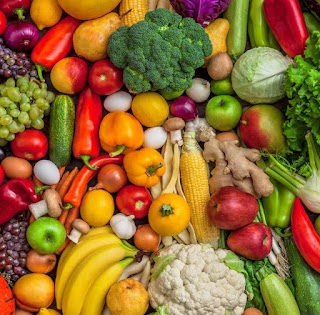
Diet rich in vegetables and fruits can lower the risk of Alzheimer disease

Both fruit and vegetable contain a wide variety of nutrients such as vitamins, minerals, plant chemicals, that help to keep blood vessels in good working order and improve human body overall health.

Several thousand polyphenols have been identified on edible plants and have antioxidants properties as well as probable role in the prevention of Alzheimer’s disease with associate growth oxidative damage. Most polyphenols exist primarily in the outer sections of fruits and vegetables.

Alzheimer’s disease slowly destroys memory and thinking cells and eventually the ability to carry out the simplest tasks. When an Alzheimer’s disease brain is examined under the microscope, two defining neuropathological features of Alzheimer’s disease are observed:
*Extracellular β-amyloid plaques
*Intracellular neurofibrillary tangles

Scientists believed that polyphenols in vegetables, seem to have a protective effect on the brain, decrease the possibility of dementia and prohibit the development Alzheimer’s disease.

Polyphenols can be grouped in four categories: Phenolic acids, Flavonoids, Lignans, Stilbenes. Flavonoids then can be divided to two categories: anthocyanins and anthoxanthins.

A most vital chemical property of polyphenols is their antioxidant activity which their capability to prevent oxidative damage within cells by blocking the activity of free radicals. Polyphenols are able to modulate the expression of genes to increase antioxidant defense. Polyphenols also protect and repair DNA damage.
Diet rich in vegetables and fruits can lower the risk of Alzheimer disease 

Thursday, August 21, 2014

Food sources of bioflavonoids

Bioflavonoids are a group of polyphenolic compounds that are widely distributed in the plant kingdom.

Bioflavonoids were first discovered in citrus peel. The white pulp of citrus fruits is also a rich source. Citrus fruit is containing the bioflavonoids hesperidin and naringin.

Peppers, buckwheat, blackcurrants and the white material just beneath the peel of citrus fruits contain flavonoids.

Sources of bioflavonoids include apricots, blackberries, cherries, grapefruit, grapes, lemons, oranges, plums and prunes. Herbs that contain bioflavonoids include chervil, elder berries, hawthorn berry, horsetail, rose hips and shepherd’s purse.

Other foods high in bioflavonoids are cacao and green tea. Tangerine juice is a very rich source of tangerine and nobiletin.
Food sources of bioflavonoids

Popular articles

My Blog List

  • The “catfish effect” describes how the presence of a strong competitor or external challenge can stimulate a stagnant group to become more active, innova...
  • Cheese curls are light, crunchy snack foods made primarily from cornmeal. Recognizable by their small, curved shapes and bright cheese coating, they are ...