Showing posts with label functions. Show all posts

Friday, October 31, 2025

Enzymes and Their Vital Role in Human Biology

Among the many proteins in living organisms, enzymes stand out as the most varied and highly specialized. The word enzyme comes from the Greek root enzymos, meaning “to cause change,” which perfectly describes their role in life processes. Every second, hundreds of chemical reactions occur within the human body—processes that would be far too slow to sustain life without the action of enzymes.

An enzyme is a biological catalyst, a type of protein that speeds up chemical reactions without being consumed or permanently altered in the process. Like all catalysts, enzymes do not change the overall balance of a chemical reaction or make impossible reactions occur. Instead, they accelerate reactions that would naturally happen but at a much slower rate—sometimes by factors of millions. They achieve this by lowering the activation energy, the amount of energy required for a reaction to begin. In doing so, enzymes make essential biochemical reactions—such as digestion, respiration, and DNA replication—occur rapidly and efficiently.

Enzymes work by stabilizing the transition state of a reaction, lowering the energy barrier between reactants and products. Each enzyme is specific to a particular reaction or type of molecule, a property known as enzyme specificity. This specificity is determined by the enzyme’s structure. Like all proteins, enzymes are composed of long chains of amino acids folded into precise three-dimensional shapes. The arrangement of these amino acids forms an active site where the substrate—the molecule undergoing change—binds. The exact fit between the enzyme and its substrate is often compared to a “lock and key” mechanism.

There are thousands of different enzymes in the human body, each with a unique function. Digestive enzymes, for instance, break down large food molecules such as proteins, carbohydrates, and fats into smaller components that can be absorbed by the body. Blood enzymes play roles in clotting, while others in cells drive energy production and waste removal.

In short, enzymes are essential for life. Without them, the body’s chemical reactions would be too slow to sustain even the simplest biological functions. Through their remarkable precision and efficiency, enzymes make life’s chemistry possible.
Enzymes and Their Vital Role in Human Biology

Sunday, August 03, 2025

Food and Hormonal Health: The Power of Nutritional Choices

Food plays a vital role in regulating the body's hormones and brain chemicals. Once digested into glucose, amino acids, and fatty acids, nutrients travel through the bloodstream to nourish all parts of the body.

Food supports essential bodily functions, enabling us to:

  • Stay alive, active, and productive

  • Grow by building new cells and tissues

  • Maintain health and recover from illness

  • Prevent and combat infections

All body systems depend on the chemical substances generated from food. Each meal triggers hormonal shifts that can last up to six hours, making food a key factor in regulating our internal chemistry.

The core purpose of food is to sustain life and promote health. Derived from plant and animal sources, food is a complex mix of chemical compounds whose composition changes based on growth conditions, processing, storage, and handling.

A balanced diet includes clean water and a mix of safe, wholesome foods: proteins, carbohydrates (starches), healthy fats, vitamins, minerals, and trace elements. Such a diet provides the nutrients necessary for optimal body function while maintaining appropriate calorie intake.

To meet all nutritional needs, a balanced diet should include a wide variety of food items. However, the modern food industry often replaces natural foods with highly processed products that negatively impact the body's biochemistry.

Meats today are often raised with added hormones, antibiotics, and other additives. Crops are commonly treated with pesticides and sometimes sprayed with antibiotics as well.

Access to safe water and clean, nutritious food is essential for all. Making informed food choices is crucial for maintaining a healthy internal balance and overall well-being.
Food and Hormonal Health: The Power of Nutritional Choices

Tuesday, August 27, 2024

ADP: A Central Molecule in Cellular Energy and Function

Adenosine diphosphate (ADP) is a key molecule in cellular energy regulation, consisting of adenosine and two phosphate groups. It is central to the cell's energy cycle, serving as a precursor to adenosine triphosphate (ATP), the primary energy carrier in cells. The dynamic relationship between ADP and ATP is essential for cellular operations.

When a cell needs energy, ATP is hydrolyzed into ADP and an inorganic phosphate (Pi), releasing energy that the cell uses for various functions such as muscle contraction, active transport across membranes, and biosynthesis. This energy release is crucial for maintaining cellular balance and supporting essential life processes.

In contrast, when the cell has surplus energy, ADP can be reconverted into ATP through phosphorylation, mainly occurring in the mitochondria during cellular respiration. This process involves the addition of a phosphate group to ADP, forming ATP, and is driven by enzymes like ATP synthase during oxidative phosphorylation and through substrate-level phosphorylation in glycolysis and the citric acid cycle.

Beyond energy transfer, ADP is involved in multiple cellular functions. For instance, in muscle contraction, ATP hydrolysis to ADP powers the interaction between actin and myosin filaments, which is vital for muscle function. In metabolism, ADP acts as a regulatory molecule, influencing key enzymes in metabolic pathways. Elevated ADP levels can stimulate enzymes in glycolysis, accelerating glucose breakdown to meet energy needs.

ADP also plays a role in cell signaling. It can act as a signaling molecule, particularly in processes like platelet aggregation during blood clotting. ADP released from injured cells binds to specific receptors on platelets, initiating a series of events leading to clot formation.

In conclusion, ADP is a multifunctional molecule crucial to energy management, muscle contraction, metabolism, and cell signaling. Its ability to cycle between ADP and ATP ensures a steady energy supply for vital cellular activities.
ADP: A Central Molecule in Cellular Energy and Function

Friday, August 16, 2024

Essential Roles of Calcium in Human Health

Calcium is a vital mineral in the human body, with an adult typically harboring around 1.5 kilograms. This mineral plays a critical role in maintaining overall health, primarily through its contributions to bone and teeth mineralization, cardiovascular function, blood coagulation, and acid-base balance regulation.

One of calcium’s most crucial roles is in the development and maintenance of strong bones and teeth. Approximately 99% of the body’s calcium is stored in bones and teeth, where it provides structural support and strength. Beyond its skeletal benefits, calcium is essential for maintaining a regular heartbeat. It facilitates the electrical signaling within heart muscle cells, ensuring a stable cardiac rhythm. Moreover, calcium is involved in the blood clotting process, which is vital for wound healing. It also helps maintain the body’s acid-base balance, a key aspect of metabolic homeostasis.

Adequate calcium intake is especially beneficial for individuals with conditions such as osteoporosis, convulsions, concentration disorders, and allergies. For instance, calcium supplementation can help manage osteoporosis by slowing bone density loss. Conversely, calcium deficiency can have severe consequences. It can lead to osteoporosis, dental cavities, anemia, and a range of emotional and physical dysfunctions, including irregular menstrual cycles, erectile dysfunction, depression, and sleep disorders like insomnia. In the context of modern health concerns, ensuring sufficient calcium intake through diet or supplementation remains essential for long-term well-being.
Essential Roles of Calcium in Human Health

Monday, March 11, 2024

Vitamin B Complex: An Essential Nutrient for Health and Well-being

Vitamin B complex comprises a group of essential nutrients vital for growth, development, and various bodily functions. These water-soluble vitamins are crucial in catalyzing enzymatic reactions that convert food into energy and synthesize necessary substances within the body. Found abundantly in both plant and animal food sources, B vitamins serve as fundamental building blocks for optimal health and vitality.

While scientific research has yet to conclusively prove the efficacy of B vitamins in reducing cancer risk, evidence suggests that vitamin B9, also known as folic acid, may offer some protective effects against certain types of cancer. Nevertheless, further studies are warranted to establish definitive conclusions in this regard.

Delving into the specific roles of B vitamins, it becomes evident how intricately they regulate vital bodily functions. Vitamin B1 (thiamine) and vitamin B2 (riboflavin) are instrumental in energy production and exert influence over enzymes crucial for muscle, nerve, and cardiac function. Similarly, vitamin B3 (niacin) facilitates cellular energy production while maintaining the health of the skin, nervous system, and digestive tract.

Furthermore, vitamin B5 (pantothenic acid) plays a pivotal role in normal growth and development, whereas vitamin B6 (pyridoxine) aids in protein metabolism and supports the integrity of red blood cells, the nervous system, and immune function. Vitamin B7 (biotin) contributes to protein and carbohydrate breakdown, alongside hormone synthesis, while vitamin B9 (folic acid) is indispensable for DNA synthesis and red blood cell production.

Notably, vitamin B12 (cobalamin) emerges as a multifaceted nutrient essential for growth, blood cell production, nervous system function, and the interplay with folic acid and carbohydrates. Its deficiency can manifest in various symptoms including anemia, fatigue, loss of appetite, depression, neurological manifestations such as numbness and tingling, respiratory infections, hair loss, eczema, and impaired growth in children. Pregnant and breastfeeding women, in particular, require increased folic acid intake to mitigate the risk of birth defects in their offspring.

In conclusion, the significance of vitamin B complex cannot be overstated in maintaining overall health and well-being. From energy metabolism to DNA synthesis and beyond, these nutrients serve as indispensable cofactors in countless physiological processes. While the precise impact on cancer risk remains uncertain, their critical role in supporting vital bodily functions underscores the importance of ensuring an adequate intake of B vitamins through a balanced diet or supplementation. Moreover, targeted supplementation is crucial for specific populations, such as pregnant women, to safeguard against potential deficiencies and mitigate associated health risks in both themselves and their offspring.
Vitamin B Complex: An Essential Nutrient for Health and Well-being

Friday, March 04, 2022

Hyaluronic acid

Hyaluronic acid is a naturally occurring glycosaminoglycan found in the fluids in the eyes and joints. It acts as a cushion and lubricant in the joints and other tissues. In 1934, Karl Meyer and his assistant, John Palmer, described a procedure for isolating a novel glycosaminoglycan (GAG) from the vitreous of bovine eyes. They showed that this substance contained an uronic acid and an amino sugar but without sulfoesters.

The term hyaluronan is attributed Endre Balazs, who coined it to encompass the different form the molecule can take for example the acid form, Hyaluronic acid and the salts such as sodium hyaluronate, which form at physiological pH.

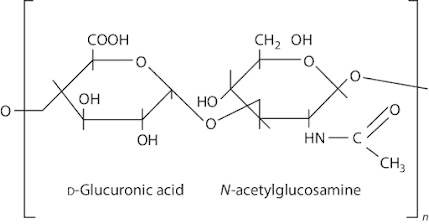
Its name is derived from hyaloids (vitreous) and uronic acid. Hyaluronic acid is a polyanionic natural polymer occurring as linear polysaccharide composed of glucuronic acid and N-acetylglucosamine repeats via a β-1,4 linkage. The size of hyaluronic acid appears to be of critical importance for its various functions. A of high molecular size, usually in excess of 1,000 kDa, is present in intact tissues and is antiangiogenic and immunosuppressive, whereas smaller polymers of hyaluronic acid are distress signals and potent inducers of inflammation and angiogenesis.

Hyaluronic acid is a typical mucopolysaccharide. It is a naturally occurring substance found in the spaces between the cells of body tissues in all animals. Hyaluronic also known as hyaluronan.

Hyaluronic acid is a humectant — a substance that retains moisture — and it is capable of binding over one thousand times its weight in water. The largest amounts of it are found in skin, connective tissue and eyes. Its main function is to retain water to keep tissues well lubricated and moist. It is also found in the capsular component of certain bacterial such as Streptococcus sp. and Staphylococcus sp.

Hyaluronic acid is synthesized in many cell types, but primarily in the plasma membrane of fibroblasts. Physiologically, hyaluronic acid has a role in several process including angiogenesis, extra cellular matrix, homeostasis, wound healing and the mediation of long-term inflammation. The synthesis of hyaluronic acid increases during tissue injury and wound healing and hyaluronic acid regulates several aspects of tissue repair, including activation of inflammatory cells to enhance immune response and the response to injury of fibroblasts and epithelial cells.
Hyaluronic acid

Thursday, February 24, 2022

Properties and functions of vitamin A

Vitamin A is an essential micronutrient for humans, meaning that it cannot be biosynthesized in the body and thus must be obtained from dietary sources.

The vitamin exists in three major forms: retinal (the aldehyde isoform), retinol (the alcohol isoform), and retinoic acid (RA), which is the irreversibly oxidized form of retinol.

Retinol empirical formula: C20H30O with molecular weight of 286.45

Retinol is soluble in fats and oils and practically insoluble in water and glycerol. Vitamin A esters are readily soluble in fats, oils, ether, acetone and chloroform. They are soluble in alcohol but insoluble in water.

Dietary vitamin A is absorbed in the small intestine in the form of retinol and transported in blood attached to retinol-binding protein (RBP). Inside the cells, retinol is oxidized into its main biologically active derivatives, first retinaldehyde (retinal), which plays a role in vision, and then retinoic acid (RA), which regulates the expression of multiple target genes.

Among other functions of vitamin A:
* Vitamin A appears to facilitate the mobilization of iron from storage sites to the developing red blood cell for incorporation into hemoglobin, the oxygen carrier in red blood cells.

*Together with the protein opsin, the 11-cis isomer of retinol forms the light -sensitive visual pigment rhodopsin located in the rod of the retina. Rod cells with rhodopsin can detect very small amounts of light, making them important for night vision.

*Animal studies shown that vitamin A is required for normal growth and development. Retinol and retinoic acid (RA) are essential for embryonic development. During fetal development, RA functions in limb development and formation of the heart, eyes, and ears.

*Another major function of vitamin A is its role in cell differentiation.

*Vitamin A often called the antireflective vitamin, is protection against infections. The skin and mucosal cells (cells that line the airways, digestive tract, and urinary tract) function as a barrier and form the body's first line of defense against infection. Retinol and its metabolites are required to maintain the integrity and function of these cells.
Properties and functions of vitamin A

Wednesday, October 06, 2021

Small intestines – Main functions

The intestine (bowel) is a winding muscular tube and it extends from the stomach to the anus. Its main purpose is to digest food. The small intestine is longest part of the digestive system where 90% of the digestion and absorption of food occurs, the other 10% taking place in the stomach and large intestine.

The major purpose of the small intestine is digestion and absorption of nutrients. In the small intestine, enzymes (produced by the salivary glands in the mouth, in the pancreas and in the intestinal cells) break down nutrients such as carbohydrates, proteins or fats into their building blocks.

For example, proteins, peptides and amino acids are acted upon by enzymes such as trypsin and chymotrypsin, which are produced by the pancreas. Pancreas also produced lipases and this enzyme break-up triglycerides into free fatty acids and monoglycerides.

The intestinal cells assume the roles of absorbing the building blocks (for example sugar, amino acids or fatty acids) together with vitamins, salts and water which pass into the bloodstream to be used by the body.

The small intestinal cells also produce countless intestinal hormones. These hormones associated and stimulus the production of bile or pancreatic juice. For example, enzymes will enter the small intestine in response to the hormone cholecystokinin, which is produced in response to the presence of nutrients.

The other hormone, secretin activate bicarbonate to be released into the small intestine from the pancreas to neutralize the potentially harmful acid coming from the stomach.
Small intestines – Main functions 
  

Wednesday, May 26, 2021

Vitamin B12 in human body

Vitamin B12, also called cobalamin is a water-soluble vitamin obtained through the ingestion of fish, meat, and dairy products, as well as fortified cereals and supplements.

It is an indispensable molecule with a very complex structure and an intricate pathway of absorption and cellular trafficking that requires molecular escort proteins in body fluids and intracellular chaperones.

Vitamin B12 is an essential water-soluble vitamin that is commonly found in a variety of foods such as fish, shellfish, meat, and dairy products. Vitamin B12 is frequently used in combination with other B vitamins in a vitamin B complex formulation.

The vitamin is a cobalt-containing coordination compound generated by intestinal microbes, and a natural water-soluble vitamin of the B-complex family that must combine with Intrinsic Factor (IF) for absorption by the intestine. Vitamin B12 enters the circulation about 3–4 hours later bound to TC (transcobalamin).

Vitamin B12 is a nutrient that helps keep the body’s nerve and blood cells healthy and helps make DNA, the genetic material in all cells. Vitamin B12 also helps prevent a type of anemia called megaloblastic anemia that makes people tired and weak.

Cobalamin is necessary for hematopoiesis, neural metabolism, DNA and RNA production, and carbohydrate, fat, and protein metabolism. B12 improves iron functions in the metabolic cycle and assists folic acid in choline synthesis.
Vitamin B12 in human body
Milk contain vitamin B12

Monday, November 30, 2020

Bones: Reservoir for calcium

The name calcium is derived from Latin word calas meaning lime was known as early as the first centuries when the ancient Romans prepared lime as CaO.

There are two types of calcium. One type of calcium is tightly bound within the bone and the other more accessible type of calcium is found on the bone. The body contains about 2% of Ca and 98% of this is in the bones.

The skeleton serves as a bank of minerals for the body. It is a major reservoir for providing calcium for both the extracellular and intracellular pools. The body can borrow from the skeletal stores when blood calcium levels drop and return calcium to bones as needed.

The medication of parathyroid also is necessary for the withdrawal of calcium from the skeleton.

Generally sufficient calcium gets ingested through the normal through the normal diet. It gets from upper intestinal tract and is excrete through urine and faeces. As the upper portion of intestine, the condition is acidic, it tends to favor absorption of calcium. As calcium salts have better solubility.

Bone is constantly remodeled throughout life in response to mechanical stress and a need for calcium in extracellular fluids. Calcium and phosphate are released to blood during bone resorption and deposited into bone during bone formation.

A high protein diet especially derived from animal foods causes calcium loss in the body. The higher sulphur to calcium ratio of metal increases calcium excretion and a diet rich in meal can cause bone demineralization.
Bones: Reservoir for calcium

Thursday, February 07, 2019

Chloride roles in extracellular fluid

Chloride is the most plentiful extracellular electrolyte, with an extracellular concentration 26 times that of its intracellular concentration.

Although chloride is generally considered with sodium, with it functions in maintenance of extracellular fluid pH balance and osmolarity, the chloride ion also functions as activator for amylases and obviously is essential for the formation of gastric hydrochloric acid.

During digestion some of the chloride of the blood is used for the formation of hydrochloric acid in the gastric glands and is secreted into the stomach where is functions temporarily with the gastric enzymes and is then reabsorbed onto the blood stream with other nutrients.

Chloride is one of the major extracellular anions that helps maintain electrical neutrality with sodium. It is interesting that although chloride is generally transported across biological membranes by passive diffusion, in gastric and intestinal mucosa the chloride ion is actively transported.

Chloride ions are able to diffuse easily across plasma membranes, and their transport is linked closely to sodium movement, which also explains the indirect role of aldosterone in chloride regulation.
Chloride roles in extracellular fluid

Glycoproteins and plasma membrane

Proteins can be bound to other compounds to form nucleoproteins, glycoproteins, and lipoproteins. Of particular interest are the glycoproteins associated with the plasma membrane of the cells that coat the membrane surface.


The membrane glycoproteins are crucial to the life of the cell, very possibly serving as the receptors for hormone, certain nutrients, and various other substances that influence cellular functions.

The glycoprotein surface coat is considered to be an integral part of the plasma membrane. These glycoproteins are played an important role in ion transport and intercellular communication.

Glycoproteins also help regulate the intracellular communications necessary for cell growth and tissue formation. Intracellular communication occurs through pathways that convert information from one part of a cell to another in response to external stimuli.
Glycoproteins and plasma membrane

Thursday, November 01, 2018

Classification and function of adipose tissue

Adipose tissue is a loose connective tissue composed mostly of adipocytes. Adipose tissue has traditionally been classified into white and brown type adipose tissue, although a third type of inducible brownlike adipose tissue or “beige” has emerged.

White adipose tissue stores energy, for example, in the form of triglycerides, whereas brown and beige adipocytes consume energy.

Fat storage is a specialized function of adipose tissue and it represents the major fuel depot of the body; it is as essential to normal function as any other tissue. This function is performed by adipocytes, which comprise the vast majority of cells in adipose tissue.

Body fat serves other important functions: It insulates the body against low environmental temperatures and serves as a shock absorber.

In many mammals, including human infants, brown adipose tissue is also presents for thermogenic function in the absence of shivering.

Typically, fat stored in adipose tissue represents 15 percent to 20 percent of men’s weight and 20 percent to 25 percent of women’s average weight.

During obesity, there is a marked expansion of white adipose tissue, especially in the visceral compartment, along with profound disruption of resident leukocyte homeostasis prompting chronic inflation and metabolic dysfunction.
Classification and function of adipose tissue

Friday, September 21, 2018

Roles of potassium in human body

Potassium ions are essential for the human body and are also present in plants. Our body contains approximately 2.6 g of potassium per kg of our body weight, and performs many biological functions including:

*Potassium is an obligatory component of all cells hence, the greater the number of cells the more is the increase in potassium. Its levels are controlled by the kidneys. Primarily, potassium functions to regulate water and mineral balance throughout the body.

*Potassium is required for the maintenance of osmotic pressure and fluid balance within the cells.

*Potassium is required for enzymatic reactions which take place within the cell. Some potassium is bound to phosphate in the process of formation of glucose to glycogen. It is required for insulin secretion, creatine phosphorylation, carbohydrate metabolism and protein synthesis. The ratio of intracellular to extracellular potassium is the major determinant of muscular and neuronal excitability and if this balance is disturbed, various pathological states can develop.

*The small concentration of potassium in the ECF, it is required to transmit nerve impulse to muscle fibers, along other ions. Potassium ions are crucial for the functioning of neurons, by influencing the osmotic balance between cells and the interstitial fluid.

Include in a diet plan, lean meats such as salmon and other fish, chicken, and turkey—each provide over 400 milligrams of potassium for every 3 ounce portion.
Roles of potassium in human body

Wednesday, September 28, 2016

Food sources of vitamin K

Food sources of vitamin K Vitamin K functions as a coenzyme during the synthesis of the biologically active form of a number of proteins involved in blood coagulation and bone metabolism.

Largest food sources of vitamin K are leafy green vegetables and some oils. Kale, green tea, turnip green, and collard greens are the most abundant food sources.

Kale
Spinach, broccoli, lettuce, and cabbage are also rich sources. Other food sources include egg yolk, cow’s milk and liver as well as soybean oil, olive oil, cotton seed oil and canola oil.

Breads, rice and pastas are poor sources of vitamin K unless formulated with vegetable oils. Addition to fats and oils to mixed dishes is a significant source of vitamin K1.

With the recommended amount for men being 120 mcg per day, many foods have more than that in just one strong. For example, a one cup serving of cooked broccoli has 220 mcg and a one cup cups serving of raw kale has 547 mcg.
Food sources of vitamin K

Monday, August 22, 2016

Fat cells and adipose tissue

Fat cells are normally present in loose connective tissue either singly or in small groups. Fat cells are created from stem cells in fatty tissue that develop into mature, long-lived fat cells that signal immature fat cells to divide and reproduce as needed throughout life to store excess calories as fat and to disappear when no longer needed. When large numbers of these cells are organized, the resulting lobules constitute adipose tissue.

Adipose tissue is sometimes referred to simply as fat. Adipose tissue may be partitioned by connective tissue septa into lobules. While in the subsequent developmental phases the lobules continuously increase in size.

The special capability of fat cells is the storage of a fuel reserve, which may vary in extent from an approximate 40-day reserve in the average person to one sufficient for a year or more in some obese individuals.

Brown adipose tissue
At first, fat cells were thought to be placid repositories of excess fuel which, when organized into subcutaneous layers, served as insulting material to prevent loss of body heat.

When the individual is on reducing diet, adipose tissue undergoes a process called lipolysis. Lipolysis is the separation of fatty acids from the stored form of fat, and release of the fatty acids into the blood so that they can be used by tissues and organs as a source of energy.

Another recognized function of adipose tissue was it ability to cushion, support abdominal organs and shapes the body.
Fat cells and adipose tissue

Friday, August 12, 2016

Functions of lipids and fats

Lipids are a broad group of diverse and naturally occurring, organic compounds. Lipids are studied by nutritionists who investigate how intake of fats in human diet affects the composition of various parts of the body, e.g. heart, the liver and the brain. Lipids play a large role when it comes to energy storage and the structure of cells.

They are divided into four main groups consisting of fats, lipids, hormones and steroids.  The difference between fats and lipids is that fats are a subset of lipids.

In general, fat performs four functions in the body. It provides energy, essential fatty acids, structural components and regulatory functions.

*One of the major roles of fat is to serve as fuel molecules. The immediate sources of energy for the body are the free fatty acids in the circulation liberated from adipose triglycerides by the enzyme lipase.  Triacylglycerol fatty acids provide long-term storage of fuel that can be mobilized during food storage, for growth and during vigorous exercise. They are amore highly concentrated form of metabolic energy than carbohydrates. The main depot is the adipose tissue.

*The body has a remarkable ability to synthesize many compounds and this including excess protein and carbohydrates can be converted to fat.

*Fat in the form of triglycerides, phospholipids, cholesterol and cholesterol esters are important to the structure, composition and permeability of membranes and cell walls. Body fat: can hold organs in place: absorbs shock and: insulates the body against rapid temperature changes or excessive heat loss. Phospholipids are water soluble and may aid in the transport of other fats in and out of cells.

Lipids are present as a bilayer in biological membranes, as a layer on the surface of the skin and in the lung surfactant lipid. Because of their specialized functions, their composition is conservative.

*Regulatory functions. Triglycerides in pure state are relatively tasteless, but they absorb and retain flavors of food.  Fats provide texture that enhances palatability and they delay emptying of the stomach and contribute to feeling of satiety.

Dietary fat serves as a carrier for the fat-soluble vitamins A, D, E and K and as an aid to their absorption in the intestine.
Functions of lipids and fats

Monday, December 15, 2014

What is vitamin B complex?

The group of vitamin known as the B complex helps the body to produce energy from food by aiding the conversion of carbohydrate to glucose - the body’s main fuel. The B complex are all water soluble, and they are generally needed in small amounts.

It is called the B complex, since it is composed of several types of vitamin Bs, each responsible for specific functions in the human body.

Thiamin (B1), riboflavin (B2), nicotinic acid or niacin (B3), vitamin B6, biotin and pantothenic acid (B5) are examples of vitamin B. This B complex also includes amino-benzoic acid and inositol.

The presence of B complex vitamins on the body is vital to the metabolism of both fats and proteins. They are also essential for a well-functioning liver and gastrointestinal tract, the nervous system, and for maintaining healthy skin, hair and eyes.

The B-complex vitamins are important components of the stress response in that deficiency of vitamin B1, B5 and B6 can lead to anxiety reactions, depression, insomnia, and cardiovascular weakness, while B2 and niacin deficiencies have been known to cause stomach irritability and muscle weakness.

Three of the B vitamins are especially important: folate, B6 and B12.
*Folate is extremely important for general health
*Vitamin B6 is important for heart and also needed for the manufacture of serotonin, an important chemical in the brain that helps prevent depression.
*Vitamin B12 has many functions, including keeping the brain, heart, arteries, and nervous system healthy.
What is vitamin B complex?

Wednesday, January 12, 2011

Dietary Fat

Fat is the name given to a broad category of substances we get from our food or make in our bodies.

Fat is an essential nutrient, which contributes approximately 30-45% of food energy in western diets.

In technical they are referred to as lipids.

Fat along with proteins and carbohydrates, one of the three nutrients are used as energy sources by the body.

Energy is one of the principal nutritional requirements of man and fat is a principal source of the energy.

Each grams of fat consumed supplies the body with 9 calories worth of energy.

Total fat: the sum of saturated, monounsaturated and polyunsaturated fats. Cholesterol is from another lipid family called sterols.

Intake of monounsaturated and polyunsaturated fats can help reduce blood cholesterol when substituted for saturated fats in the diet.

In chemistry, a compound formed from chemicals called fatty acids. These fats are greasy, solid materials found in animal tissues and in some plants.

For most part, human di not require fat sources in their diets because the body can synthesize most of the fatty acids it needs from other constituents, including carbohydrate and protein.

The brain needs saturated fats, polyunsaturated fat, cholesterol, and a number of other fats.

Fats are also a component of cell membranes, vitamin D and sex hormones.

Some types of fats give cell membranes flexibility and help regulate the transfer of nutrients into and out of cells.

While others serve as precursors to vitamin D and sex hormones, such as estrogen and testosterone.

Most saturated fats come from animal products. Unsaturated fats are prominent in both animal and vegetable foods.

The importance of dietary fat is underscored by the fat that 35% of the weight gain of an infant in early is accounted for by fat.

Most of the dietary fat is in the form of triglyceride formed by the three fatty acids esterified to a glycerol backbone.

The role of fat in the diet is both physiological and psychological. In its psychological aspect, it is important to appearance and taste of foods.
Dietary Fat

Wednesday, January 10, 2007

Roles of calcium in human body

There are two types of calcium. One type of calcium is tightly bound within the bone and the other more accessible type of calcium is found on the bone. The skeleton serves as a bank of minerals for the body. The body can borrow from the skeletal stores when blood calcium levels drop and return calcium to bones as needed.

A constant supply of calcium is necessary throughout our lifetime, but is especially important during phases of growth, pregnancy, and lactation (breast feeding). About 10-40% of dietary calcium is absorbed in the small intestine with the help of vitamin D. The level of calcium absorption from dietary sources drops to 7 in post-menopausal women. The body will absorb more calcium if there is a deficiency.

Factors that improve calcium absorption include adequate amounts of protein, magnesium, phosphorous, and vitamin D. Conditions that reduce calcium absorption include high or excessive intakes of oxalates and phytates, found in foods such as spinach and unleavened whole wheat products. Consumption of alcohol, coffee, sugar, or medications such as diuretics, tetracycline, aluminum containing antacids, or stress can reduce absorption of calcium. Lack of exercise can reduce calcium absorption as well as cause an increase in calcium losses. These life habits can immobility lead to calcium deficiency. Calcium deficiency can increase risk of bone disorders such as osteoporosis.

Calcium Functions
#Calcium is responsible for construction, formation and maintenance of bone and teeth. This function helps reduce the occurrence of osteoporosis.
#Calcium is a vital component in blood clotting systems and also helps in wound healing.
#Calcium helps to control blood pressure, nerve transmission, and release of neurotransmitters.
#Calcium is an essential component in the production of enzymes and hormones that regulate digestion, energy, and fat metabolism.
#Calcium helps to transport ions (electrically charged particles) across the membrane.
#Calcium is essential for muscle contraction.
#Calcium assists in maintaining all cells and connective tissues in the body.
#Calcium may be helpful to reduce the incidence of premature heart disease, especially if adequate intakes of magnesium are also maintained.
#Calcium may help to prevent periodontal disease (gum disease).
#Calcium Deficiency
#Calcium Deficiency in conjunction with high sodium intake is related to a higher risk of hypertension.
#Calcium Deficiency can lead to loss of calcium from the bone (initially from the jaw and the backbone), which can lead to deformity.
#Calcium Deficiency can cause extreme nerve sensitivity, muscle spasms, and leg cramps (called tetany) at very low levels in the blood.
Roles of calcium in human body

Popular articles

My Blog List

  • Pasteurization of wine is a preservation technique that has become a mainstay in the wine and beverage industry, largely due to its role in enhancing produ...
  • Integrated Marketing Communications (IMC) puts the customer at the center of a brand’s storytelling by aligning all marketing channels—advertising, social ...