Lipids are fat-like substances found in human blood and body tissues. Human body needs small amounts of lipids to work normally.
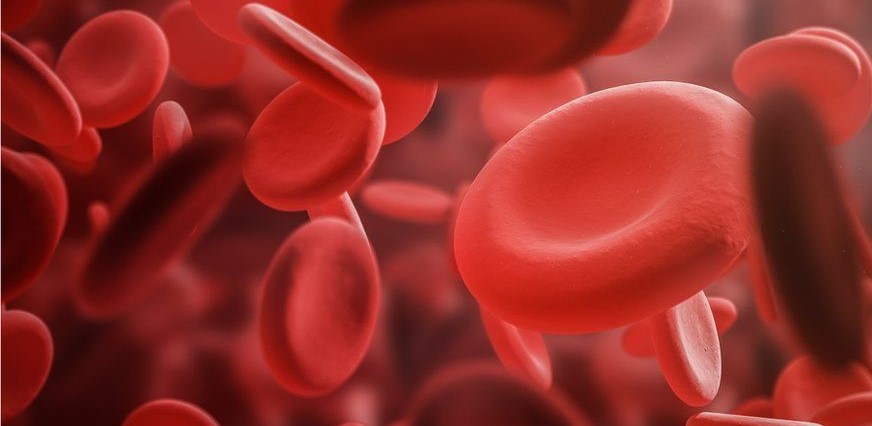
Cholesterol, triglycerides, and high-density lipoproteins are important constituents of the blood lipids fraction of the human body.
Cholesterol is an unsaturated alcohol of the steroid family of compounds; it is essential for the normal function of all animal cells and is a fundamental element of their cell membranes. Cholesterol is a fatty substance produced by the liver and carried by the blood to supply material for cell walls and hormones. It is also a precursor of various critical substances such as adrenal and gonadal steroid hormones and bile acids.
Cholesterol is a type of fat, and fats can’t travel in the blood on their own. They need to be attached to proteins. Lipoproteins are little parcels made of fats and proteins that carry fats around the body. Lipid is another name for fat, so ‘lipoprotein’ means fat plus protein.
In the human bloodstream, triglycerides play an important role in metabolism as an energy source and in helping to transfer dietary fat throughout the body. They contain more than twice as much energy as carbohydrates, the other major source of energy in the diet.
When eating, human body converts any calories it does not need to use right away into triglycerides, which are stored in body fat cells. When body need energy between meals, hormones trigger the release of some of these stored triglycerides back into the bloodstream.
Blood lipids
Nutrition is a scientific discipline that encompasses a structured body of knowledge. It includes various fields such as clinical nutrition, community nutrition, public health, food policy, and food science. At its core, nutrition is the study of how the body utilizes food. It is essential to life. Understanding nutrition enables us to make better dietary choices by determining the necessary nutrient intake, identifying optimal food sources, and recognizing beneficial or harmful food components.
Showing posts with label cholesterol. Show all posts
Friday, May 26, 2023
Saturday, August 20, 2022
Roles of cholesterol in immunity
Cholesterol is a waxy substance found in the bloodstream, and in every cell in human body. Cholesterol helps produce cell membranes, hormones, vitamin D and bile acids which aids in digesting fat. Cholesterol is produced in all mammalian tissues but primarily in the liver in response to low cholesterol levels in the bloodstream.
Cholesterol in the body is obtained from the diet or can be de novo synthetized. Cholesterol homeostasis is mainly regulated by the liver, where cholesterol is packed in lipoproteins for transport through a tightly regulated process.
Cholesterol in the cells helps the immune system fight off infections. LDL binds and deactivates bacterial toxins. For example, the MRSA (Methicillin-resistant Staphylococcus aureus bacterial) toxin does not destroy red blood cells when LDL is present.
HDL protect cells from infections by intracellular bacteria such as mycobacteria. Both mycobacteria and host-derived oxidized phospholipids inhibit innate immune responses; HDL from healthy subjects, which act as scavenger of oxidized phospholipids, can revert this effect.
Cholesterol levels also play important roles in immune cells such as monocyte priming, neutrophil activation, hematopoietic stem cell mobilization, and enhanced T cell production.
Considering that cholesterol is important in maintaining cell membrane stiffness, its importance to immune cells, one of the cell types relying the most on motility and membrane–membrane interactions with other cells, is easy to see.
In addition, changes in cholesterol intracellular metabolic enzymes or transporters in immune cells affect their signaling and phenotype differentiation, which can impact on atherosclerosis development.
Roles of cholesterol in immunity
Cholesterol in the body is obtained from the diet or can be de novo synthetized. Cholesterol homeostasis is mainly regulated by the liver, where cholesterol is packed in lipoproteins for transport through a tightly regulated process.
Cholesterol in the cells helps the immune system fight off infections. LDL binds and deactivates bacterial toxins. For example, the MRSA (Methicillin-resistant Staphylococcus aureus bacterial) toxin does not destroy red blood cells when LDL is present.
HDL protect cells from infections by intracellular bacteria such as mycobacteria. Both mycobacteria and host-derived oxidized phospholipids inhibit innate immune responses; HDL from healthy subjects, which act as scavenger of oxidized phospholipids, can revert this effect.
Cholesterol levels also play important roles in immune cells such as monocyte priming, neutrophil activation, hematopoietic stem cell mobilization, and enhanced T cell production.
Considering that cholesterol is important in maintaining cell membrane stiffness, its importance to immune cells, one of the cell types relying the most on motility and membrane–membrane interactions with other cells, is easy to see.
In addition, changes in cholesterol intracellular metabolic enzymes or transporters in immune cells affect their signaling and phenotype differentiation, which can impact on atherosclerosis development.
Roles of cholesterol in immunity
Friday, October 29, 2021
High Density Lipoprotein
Cholesterol is found in all cells. It is needed for many body functions. Two types of cholesterol are HDL and LDL. HDL is a “good” cholesterol that removes LDL (bad) cholesterol from the bloodstream.
High-density lipoprotein (HDL) is one of the five major fat and protein particles (lipoproteins) whose role it is to enable blood fats (lipids), such as cholesterol and triglycerides, to be transported within the water-based bloodstream.
HDL is a class of heterogeneous lipoproteins containing approximately equal amounts of lipid and protein. HDL particles are characterized by high density (more 1.063 g/mL) and small size (Stoke’s diameter 5 to 17 nm).
The various HDL subclasses vary in quantitative and qualitative content of lipids, apolipoproteins, enzymes, and lipid transfer proteins, resulting in differences in shape, density, size, charge, and antigenicity.
In a normal healthy individual, HDL carries about a quarter of the total amount of cholesterol in the blood, whereas most of the remainder is carried in LDL (low density lipoprotein) “bad cholesterol” particles.
HDL is important for the synthesis of steroid hormones but it is better known for its protective role against cardiovascular disease. A low HDL is thought to speed up the rate at which arteries fur up.
HDL (good) cholesterol protects against heart disease, so for HDL, higher numbers are better. A level less than 40 mg/dL is low and is considered a major risk factor because it increases the risk for developing heart disease. HDL levels of 60 mg/dL or more help to lower the risk for heart disease.
A variety of things can affect cholesterol levels: Diet, Weight, Physical Activity. Low HDL among others due to: Insulin resistance, Familial Combined Hyperlipidaemia (FCH), Tangier disease, Medicines including beta blockers, thiazide diuretics, androgens, progestogens and anabolic steroids.
High Density Lipoprotein
High-density lipoprotein (HDL) is one of the five major fat and protein particles (lipoproteins) whose role it is to enable blood fats (lipids), such as cholesterol and triglycerides, to be transported within the water-based bloodstream.
HDL is a class of heterogeneous lipoproteins containing approximately equal amounts of lipid and protein. HDL particles are characterized by high density (more 1.063 g/mL) and small size (Stoke’s diameter 5 to 17 nm).
The various HDL subclasses vary in quantitative and qualitative content of lipids, apolipoproteins, enzymes, and lipid transfer proteins, resulting in differences in shape, density, size, charge, and antigenicity.
In a normal healthy individual, HDL carries about a quarter of the total amount of cholesterol in the blood, whereas most of the remainder is carried in LDL (low density lipoprotein) “bad cholesterol” particles.
HDL is important for the synthesis of steroid hormones but it is better known for its protective role against cardiovascular disease. A low HDL is thought to speed up the rate at which arteries fur up.
HDL (good) cholesterol protects against heart disease, so for HDL, higher numbers are better. A level less than 40 mg/dL is low and is considered a major risk factor because it increases the risk for developing heart disease. HDL levels of 60 mg/dL or more help to lower the risk for heart disease.
A variety of things can affect cholesterol levels: Diet, Weight, Physical Activity. Low HDL among others due to: Insulin resistance, Familial Combined Hyperlipidaemia (FCH), Tangier disease, Medicines including beta blockers, thiazide diuretics, androgens, progestogens and anabolic steroids.
High Density Lipoprotein
Friday, May 14, 2021
Cholesterol and heart disease
Cholesterol is a fat-like substance, found in the blood stream and also in bodily organs and nerve fibres. Cholesterol is needed in the body to insulate nerves, make cell membranes and produce certain hormones, and it is an important lipid in some membranes.
Cholesterol can be both good and bad. High-density lipoprotein (HDL) is good cholesterol and low-density lipoprotein (LDL) is bad cholesterol.
*High density lipoprotein, or HDL, which also is called the “good” cholesterol because it takes cholesterol from tissues to the liver, which removes it from the body.
*Low density lipoprotein, or LDL, which also is called the “bad” cholesterol because it carries cholesterol to tissues, including the arteries. It can build up in the arteries and form fatty, waxy deposits called plaques. It will increase the risk of getting heart disease.
Excess cholesterol in the bloodstream can form plaque (a thick, hard deposit) in artery walls. The cholesterol or plaque build-up causes arteries to become thicker, harder and less flexible, slowing down and sometimes blocking blood flow to the heart.
High LDL cholesterol can damage the arteries and increase the risk of heart attacks (myocardial infarction - MI), chest pain (angina), narrowing of the blood vessels (peripheral artery disease) and stroke – as a group these are called cardio vascular disease (CVD).
High cholesterol levels in blood are mainly caused by eating foods high in saturated fats and trans-fats, and not including foods with unsaturated fats and with fibre.
Saturated fat and cholesterol in the food can make blood cholesterol level go up. Saturated fat is the main culprit, but cholesterol in foods also matters. Reducing the amount of saturated fat and cholesterol in the diet helps lower blood cholesterol level.
Example of foods containing saturated fats and trans-fats –such as fatty meats, full-fat dairy products, butter, coconut oil, palm oil and most deep-fried takeaway foods and commercially baked products, such as pies, biscuits, buns and pastries. Food high in trans-fats include most commercially baked products and deep-fried takeaway foods.
Cholesterol lowering is important for everyone–younger, middle age, and older adults; women and men; and people with or without heart disease.
Cholesterol and heart disease
Cholesterol can be both good and bad. High-density lipoprotein (HDL) is good cholesterol and low-density lipoprotein (LDL) is bad cholesterol.
*High density lipoprotein, or HDL, which also is called the “good” cholesterol because it takes cholesterol from tissues to the liver, which removes it from the body.
*Low density lipoprotein, or LDL, which also is called the “bad” cholesterol because it carries cholesterol to tissues, including the arteries. It can build up in the arteries and form fatty, waxy deposits called plaques. It will increase the risk of getting heart disease.
Excess cholesterol in the bloodstream can form plaque (a thick, hard deposit) in artery walls. The cholesterol or plaque build-up causes arteries to become thicker, harder and less flexible, slowing down and sometimes blocking blood flow to the heart.
High LDL cholesterol can damage the arteries and increase the risk of heart attacks (myocardial infarction - MI), chest pain (angina), narrowing of the blood vessels (peripheral artery disease) and stroke – as a group these are called cardio vascular disease (CVD).
High cholesterol levels in blood are mainly caused by eating foods high in saturated fats and trans-fats, and not including foods with unsaturated fats and with fibre.
Saturated fat and cholesterol in the food can make blood cholesterol level go up. Saturated fat is the main culprit, but cholesterol in foods also matters. Reducing the amount of saturated fat and cholesterol in the diet helps lower blood cholesterol level.
Example of foods containing saturated fats and trans-fats –such as fatty meats, full-fat dairy products, butter, coconut oil, palm oil and most deep-fried takeaway foods and commercially baked products, such as pies, biscuits, buns and pastries. Food high in trans-fats include most commercially baked products and deep-fried takeaway foods.
Cholesterol lowering is important for everyone–younger, middle age, and older adults; women and men; and people with or without heart disease.
Cholesterol and heart disease
Friday, April 02, 2021
Cholesterol absorption
High cholesterol intake generally increases the serum levels of total (X) and low-density lipoprotein cholesterol (LDL-C). If dietary fat is kept constant, the increase in serum LDL-C after physiologically augmented cholesterol intake varies from 4 to 58%.
The amount of absorbed cholesterol depends on cholesterol intake, biliary cholesterol secretion, and cholesterol absorption efficiency, which in turn is affected by
(a) the amount and the condition of absorptive intestinal mucosa and
(b) micellar solubilization of cholesterol with the aid of bile acids
When foods are consumed, cholesterol arrives in the small intestine from both the diet and bile. Dietary cholesterol accounts for approximately 300 mg/d, whereas biliary cholesterol is estimated to contribute 800∼1,400 mg/d.
Biliary cholesterol enters the small intestine unesterified, along with the other major components of bile (phosphatidylcholine and bile acids). As the components of bile mix with dietary lipids, micelles form spontaneously. Micelles are created by interactions between bile salts and the plasma membrane of hepatocytes. Micelles are formed when a critical concentration of lipid from bile mixes with lipids entering the small intestine from the diet.
Cholesterol is absorbed from micelles into the intestinal wall through protein channel, Niemann-Pick C1 Like 1 protein (NPC1L1) on the enterocyte plasma membrane.
Cholesterol absorption
The amount of absorbed cholesterol depends on cholesterol intake, biliary cholesterol secretion, and cholesterol absorption efficiency, which in turn is affected by
(a) the amount and the condition of absorptive intestinal mucosa and
(b) micellar solubilization of cholesterol with the aid of bile acids
When foods are consumed, cholesterol arrives in the small intestine from both the diet and bile. Dietary cholesterol accounts for approximately 300 mg/d, whereas biliary cholesterol is estimated to contribute 800∼1,400 mg/d.
Biliary cholesterol enters the small intestine unesterified, along with the other major components of bile (phosphatidylcholine and bile acids). As the components of bile mix with dietary lipids, micelles form spontaneously. Micelles are created by interactions between bile salts and the plasma membrane of hepatocytes. Micelles are formed when a critical concentration of lipid from bile mixes with lipids entering the small intestine from the diet.
Cholesterol is absorbed from micelles into the intestinal wall through protein channel, Niemann-Pick C1 Like 1 protein (NPC1L1) on the enterocyte plasma membrane.
Cholesterol absorption
Friday, March 05, 2021
Eating oats can lower blood cholesterol levels
Cholesterol is the most common risk factor for coronary heart disease (CHD), being an important factor in 46% of all deaths from CHD, much higher than the comparable figures for smoking (19%) and lack of physical activity (37%).
Oatmeal contains soluble fiber (pectin, glucan, gums, psyllium), which reduces low-density lipoprotein (LDL) cholesterol, the "bad" cholesterol. In clinical studies the effect varies from 0% to 18% dependent upon the type of soluble fiber, dosage, background diet and dietary control.
The first study to reveal that oat consumption reduced plasma cholesterol levels goes back to 1963. By enriching bread with rolled oat, the authors observed an 11% reduction in total cholesterol levels. Since then, a multitude of in vivo and in vitro investigations have been conducted to understand the reasons behind this positive effect.
Oat β-glucan, the main soluble fiber found in oats, is seen as the main active component responsible for their cholesterol-lowering effect. Beta-glucan occurs naturally in the bran of grasses such as barley, oats and rye. Barley bran is 7% beta-glucan, oat bran 5%, and rye bran 2%. However, barley is less palatable than oats and eaten less frequently in the diet, therefore majority of research has been carried out into the cholesterol-lowering effect on oat β-glucan.
It has been established that subjects with mildly elevated cholesterol levels have to consume at least 3 g of β-glucan per day to observe a significant reduction in their serum total- and low-density lipoprotein- (LDL) cholesterol levels.
β-glucan is located primarily in the endosperm cell wall of oats. It is composed of glucose molecules with mixed β -(1→4) and β -(1→3) bonds. This specific chemical structure is responsible for physical properties, such as viscosity and solubility, as well as the potential to influence cholesterol metabolism.
During digestion β-glucan is believed to increase intestinal viscosity and bind the bile acids and cholesterol from food, carrying them out of the body in faeces. As a result the liver must increase synthesis of bile acids, requiring increased LDL cholesterol uptake from the bloodstream and lowering blood cholesterol levels as a result.
Eating oats can lower blood cholesterol levels
Oatmeal contains soluble fiber (pectin, glucan, gums, psyllium), which reduces low-density lipoprotein (LDL) cholesterol, the "bad" cholesterol. In clinical studies the effect varies from 0% to 18% dependent upon the type of soluble fiber, dosage, background diet and dietary control.
The first study to reveal that oat consumption reduced plasma cholesterol levels goes back to 1963. By enriching bread with rolled oat, the authors observed an 11% reduction in total cholesterol levels. Since then, a multitude of in vivo and in vitro investigations have been conducted to understand the reasons behind this positive effect.
Oat β-glucan, the main soluble fiber found in oats, is seen as the main active component responsible for their cholesterol-lowering effect. Beta-glucan occurs naturally in the bran of grasses such as barley, oats and rye. Barley bran is 7% beta-glucan, oat bran 5%, and rye bran 2%. However, barley is less palatable than oats and eaten less frequently in the diet, therefore majority of research has been carried out into the cholesterol-lowering effect on oat β-glucan.
It has been established that subjects with mildly elevated cholesterol levels have to consume at least 3 g of β-glucan per day to observe a significant reduction in their serum total- and low-density lipoprotein- (LDL) cholesterol levels.
β-glucan is located primarily in the endosperm cell wall of oats. It is composed of glucose molecules with mixed β -(1→4) and β -(1→3) bonds. This specific chemical structure is responsible for physical properties, such as viscosity and solubility, as well as the potential to influence cholesterol metabolism.
During digestion β-glucan is believed to increase intestinal viscosity and bind the bile acids and cholesterol from food, carrying them out of the body in faeces. As a result the liver must increase synthesis of bile acids, requiring increased LDL cholesterol uptake from the bloodstream and lowering blood cholesterol levels as a result.
Eating oats can lower blood cholesterol levels
Friday, September 06, 2019
What are lipids?
Lipids are organic compounds that contain hydrocarbons which are the foundation for the structure and function of living cells.
Lipid molecules contain large hydrocarbon portion and not many polar functional group, which accounts for their solubility behavior. Their intermolecular interactions are dominated by the hydrophobic effect and van der Waals interactions.
Lipids are water insoluble organic compounds. They are hydrophobic (nonpolar) or amphipathic (containing both nonpolar and polar regions)
*Free fatty acids
*Triacylglycerols
*Phospholipids
*Glycolipids
*Steroids
Fatty acids are “carboxylic acids (or organic acid), often with a long aliphatic tails (long chains), either saturated or unsaturated.” When a fatty acid is saturated it is an indication that there are no carbon-carbon double bonds and if the fatty acid is saturated it is an indication that it has at least one carbon-carbon double bond.
Lipids are major components of cell membranes, and are responsible for most of the permeability filter functions of membranes. Membranes act as barriers to separate compartments within eukaryotic cells, and to separate all cells from their surroundings.
A lipid abnormality is one of the causal factors of cardiovascular disease. Excess LDL cholesterol (say a total serum cholesterol > 4-5mmol/L) is the most widely accepted risk factor for heart disease. Excess triglycerides (say >1.8mmol/L) are probably important in CHD but this is controversial. A low concentration of HDL cholesterol (say less than 1.0mmol/L) is also accepted as a major risk factor.
What are lipids?
Lipid molecules contain large hydrocarbon portion and not many polar functional group, which accounts for their solubility behavior. Their intermolecular interactions are dominated by the hydrophobic effect and van der Waals interactions.
Lipids are water insoluble organic compounds. They are hydrophobic (nonpolar) or amphipathic (containing both nonpolar and polar regions)
*Free fatty acids
*Triacylglycerols
*Phospholipids
*Glycolipids
*Steroids
Fatty acids are “carboxylic acids (or organic acid), often with a long aliphatic tails (long chains), either saturated or unsaturated.” When a fatty acid is saturated it is an indication that there are no carbon-carbon double bonds and if the fatty acid is saturated it is an indication that it has at least one carbon-carbon double bond.
Lipids are major components of cell membranes, and are responsible for most of the permeability filter functions of membranes. Membranes act as barriers to separate compartments within eukaryotic cells, and to separate all cells from their surroundings.
A lipid abnormality is one of the causal factors of cardiovascular disease. Excess LDL cholesterol (say a total serum cholesterol > 4-5mmol/L) is the most widely accepted risk factor for heart disease. Excess triglycerides (say >1.8mmol/L) are probably important in CHD but this is controversial. A low concentration of HDL cholesterol (say less than 1.0mmol/L) is also accepted as a major risk factor.
What are lipids?
Friday, September 21, 2018
Low-density lipoprotein (LDL) cholesterol
Cholesterol and triglycerides are fats and are insoluble in the blood.
However, when they combine with protein they became lipoproteins and are
able to dissolve in and be carried by blood throughout body.
Low density lipoprotein (LDL) is cholesterol packaged in a protein and phospholipid coat. Cholesterol is insoluble, so it must be encased in this coat to facilitate transport in the blood.
LDL is the major cholesterol carrier to the periphery and supplies the
cholesterol essential for the integrity of nerve tissue, steroid hormone
synthesis, and cell membranes. It circulates throughout the body and
is available to all cells.
As LDL circulates in the blood it may adhered to arterial walls which feed the heart and brain. When there is too much LDL cholesterol circulating in the blood, it can slowly build up in the walls of the arteries that feed the heart and brain. It forms plaque and may result in a blockage in the artery which may lead to arthrosclerosis.
The association between elevated plasma cholesterol carried in LDL and the risk of coronary heart disease has been well established. LDL is also sometimes called the ‘bad’ cholesterol.
Low-density lipoprotein (LDL) cholesterol
Low density lipoprotein (LDL) is cholesterol packaged in a protein and phospholipid coat. Cholesterol is insoluble, so it must be encased in this coat to facilitate transport in the blood.
As LDL circulates in the blood it may adhered to arterial walls which feed the heart and brain. When there is too much LDL cholesterol circulating in the blood, it can slowly build up in the walls of the arteries that feed the heart and brain. It forms plaque and may result in a blockage in the artery which may lead to arthrosclerosis.
The association between elevated plasma cholesterol carried in LDL and the risk of coronary heart disease has been well established. LDL is also sometimes called the ‘bad’ cholesterol.
Low-density lipoprotein (LDL) cholesterol
Saturday, June 18, 2016
Natural substances of plant sterols and plant stanols
Plant stanols and sterols, also known as phytosterols and phytosterols, are naturally occurring substances found in plant foods such as fruit, vegetables, nuts and seeds.
The western diet provides about 100-300 mg/day of plant sterols and 20-50 mg/day of plant stanols. Plants sterols and stanols have been incorporated into various food products, including margarine and salad dressing.
Plants sterols such as sitosterol, campesterol and stigmasterol are structurally similiar. Stanols are saturated sterols without double bonds in the sterol ring structure.
The plant sterols mixtures typically used in supplements to reduce cholesterol levels are usually extracted from pine tree wood pulp or soybean oil.
Plant sterols are often hydrogenated forming stanols, and both sterols and stanols can be extracted to make them soluble in fats, forming stanol and sterol esters. They have similar structure to cholesterol and therefore can be absorbed by the gut instead of cholesterol.
Plant sterols and stanols esters compete with dietary cholesterol for absorption via mixed micelles. They block dietary and biliary cholesterol absorption in the small intestine with subsequent reduction of serum cholesterol and LDL concentration.
Sterols lowered total cholesterol by 6-11% and LDL cholesterol by 7-15%. Stanols lowered total cholesterol by 4-10% and LDL cholesterol by 7-14%.
Natural substances of plant sterols and plant stanols
The western diet provides about 100-300 mg/day of plant sterols and 20-50 mg/day of plant stanols. Plants sterols and stanols have been incorporated into various food products, including margarine and salad dressing.
Plants sterols such as sitosterol, campesterol and stigmasterol are structurally similiar. Stanols are saturated sterols without double bonds in the sterol ring structure.
The plant sterols mixtures typically used in supplements to reduce cholesterol levels are usually extracted from pine tree wood pulp or soybean oil.
Plant sterols are often hydrogenated forming stanols, and both sterols and stanols can be extracted to make them soluble in fats, forming stanol and sterol esters. They have similar structure to cholesterol and therefore can be absorbed by the gut instead of cholesterol.
Plant sterols and stanols esters compete with dietary cholesterol for absorption via mixed micelles. They block dietary and biliary cholesterol absorption in the small intestine with subsequent reduction of serum cholesterol and LDL concentration.
Sterols lowered total cholesterol by 6-11% and LDL cholesterol by 7-15%. Stanols lowered total cholesterol by 4-10% and LDL cholesterol by 7-14%.
Natural substances of plant sterols and plant stanols
Wednesday, May 15, 2013
Cholesterol
Saturated fats are largely considered unhealthy and their consumption should be kept to a minimum. These fats are the primary dietary cause of high blood levels of low-density lipoprotein or LDL, the so-called ‘bad cholesterol’.
Although cholesterol is technically not a fat, the American Heart Association recommends limiting daily dietary intake to 300 mg for adults without heart disease.
Having too much cholesterol in blood is unhealthy. The extra cholesterol can be deposited in artery walls, narrowing them and interfering with normal blood flow. The higher the level of LDL in the body the greater the risk of a heart attacks.
Sources of saturated fat include most animal products, particularly butter, cheese, whole milk, ice cream, organ meats, fatty cuts of beef and some shellfish.
Only animal foods can contain cholesterol, which is made by liver.
What is cholesterol? It is a modified fat that is actually more like wax than fat or oil; it does not dissolve readily in water or in bloodstream.
Between 1500 and 1800 mg of cholesterol are produced every day by human body. Every cell uses cholesterol to help construct protective cell membranes.
It insulates nerve cells and helps skin cells retain moisture and at the same time forms a special barrier against various toxic substances, making cells resistant to the penetration of certain toxins and keeping water from leaving human body too quickly.
It makes up a major part of human brain, and is the main building block for vitamin D and essential hormones such as cortisones, estrogen, progesterone and testosterone.
Cholesterol
Although cholesterol is technically not a fat, the American Heart Association recommends limiting daily dietary intake to 300 mg for adults without heart disease.
Having too much cholesterol in blood is unhealthy. The extra cholesterol can be deposited in artery walls, narrowing them and interfering with normal blood flow. The higher the level of LDL in the body the greater the risk of a heart attacks.
Sources of saturated fat include most animal products, particularly butter, cheese, whole milk, ice cream, organ meats, fatty cuts of beef and some shellfish.
Only animal foods can contain cholesterol, which is made by liver.
What is cholesterol? It is a modified fat that is actually more like wax than fat or oil; it does not dissolve readily in water or in bloodstream.
Between 1500 and 1800 mg of cholesterol are produced every day by human body. Every cell uses cholesterol to help construct protective cell membranes.
It insulates nerve cells and helps skin cells retain moisture and at the same time forms a special barrier against various toxic substances, making cells resistant to the penetration of certain toxins and keeping water from leaving human body too quickly.
It makes up a major part of human brain, and is the main building block for vitamin D and essential hormones such as cortisones, estrogen, progesterone and testosterone.
Cholesterol
Subscribe to:
Posts (Atom)
Popular articles
-
Chikuwa is one of Japan’s most recognizable fish cakes, valued for its unique tube shape, mild flavor, and versatility in everyday cooking. ...
-
Water is our most neglected nutrient, yet is the major component of our diet and our bodies. Water in any one of dozens of chemical formulat...
-
Vitamin K occurs naturally in two forms. *Phylloquinone or vitamin K1 (2-methyl-3-phytyl-1,4-naphtoquinone) is synthesized by plants. *Men...
-
Each electrolyte has special functions in the body. Although some electrolytes play larger roles than others, all are necessary for the func...
-
Simple carbohydrates are naturally present as simple sugars in fruits, milk and other foods. Plant carbohydrates also can be refined to prod...


